If you're reading this in May, odds are you just pulled your winter tires off (or you're about to), and you're staring at your all-seasons wondering whether they have another season in them or whether it's time to replace. Or you're shopping fresh because last year's set finally gave up.
Either way, the all-season tire market in 2026 is genuinely good across price points. Whether you've got the budget for a premium set or you need something reliable for under $500 a set installed, there are real options. Here's how to think about it, and what I'd actually recommend from the brands we carry.
First, let's be honest about what "all-season" means in Canada
All-season tires are designed to perform across a wide temperature range, but they are not winter tires, no matter what the marketing says. Once temperatures drop below about 7 degrees Celsius, the rubber compound in a true all-season hardens and your braking distances get noticeably longer. That's why Quebec mandates
If you live in Quebec or you're driving through during winter, you already know the province takes winter tires seriously. What you might not know is exactly what the law requires, what counts as a compliant tire, and what happens if you get caught without them.
I get questions about this every fall from customers across Canada, so here's the straight answer.
What the law actually says
Quebec's Highway Safety Code requires every passenger vehicle registered in the province to have winter tires installed from December 1 through March 15 each year. That includes cars, light trucks, taxis, rental vehicles operating in Quebec, mopeds, motorized scooters, and motorcycles. If your vehicle is plated in Quebec, the law applies to you.
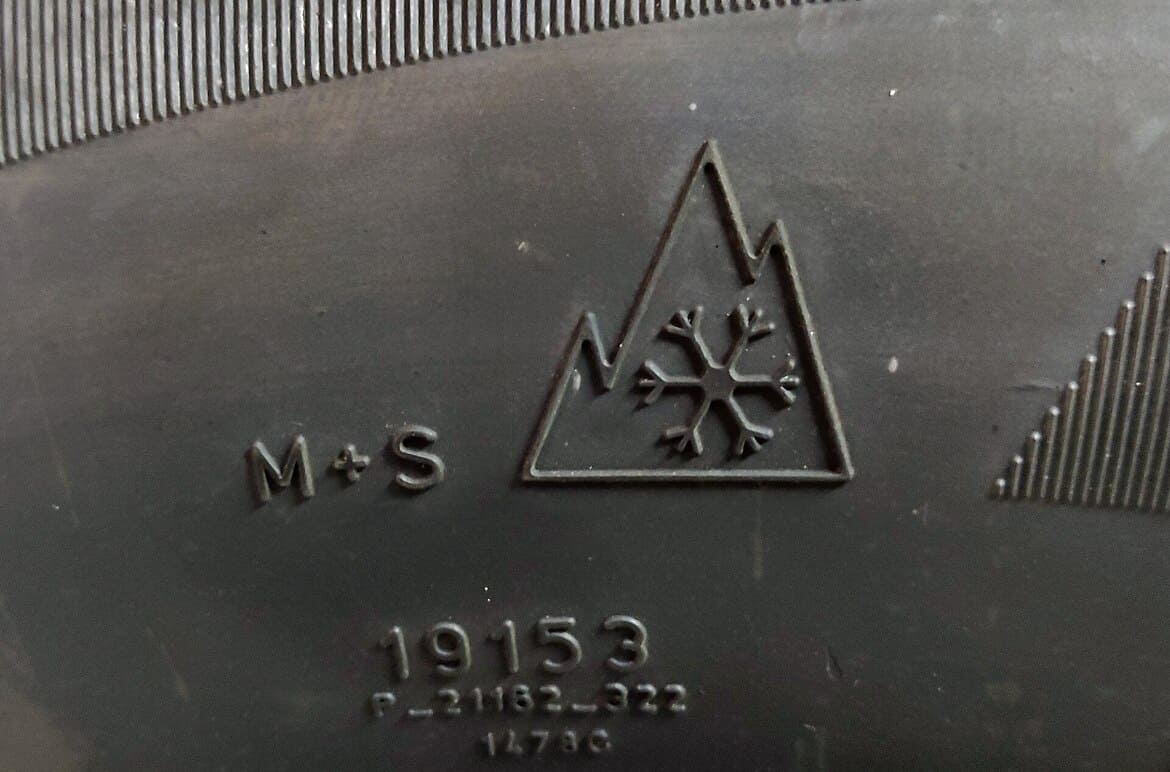
The regulation has been on the books since 2008, but the rules around what qualifies as a winter tire tightened on December 15, 2014. Since that date, only tires bearing the Alpine Symbol (a three-peak mountain with a snowflake inside,