

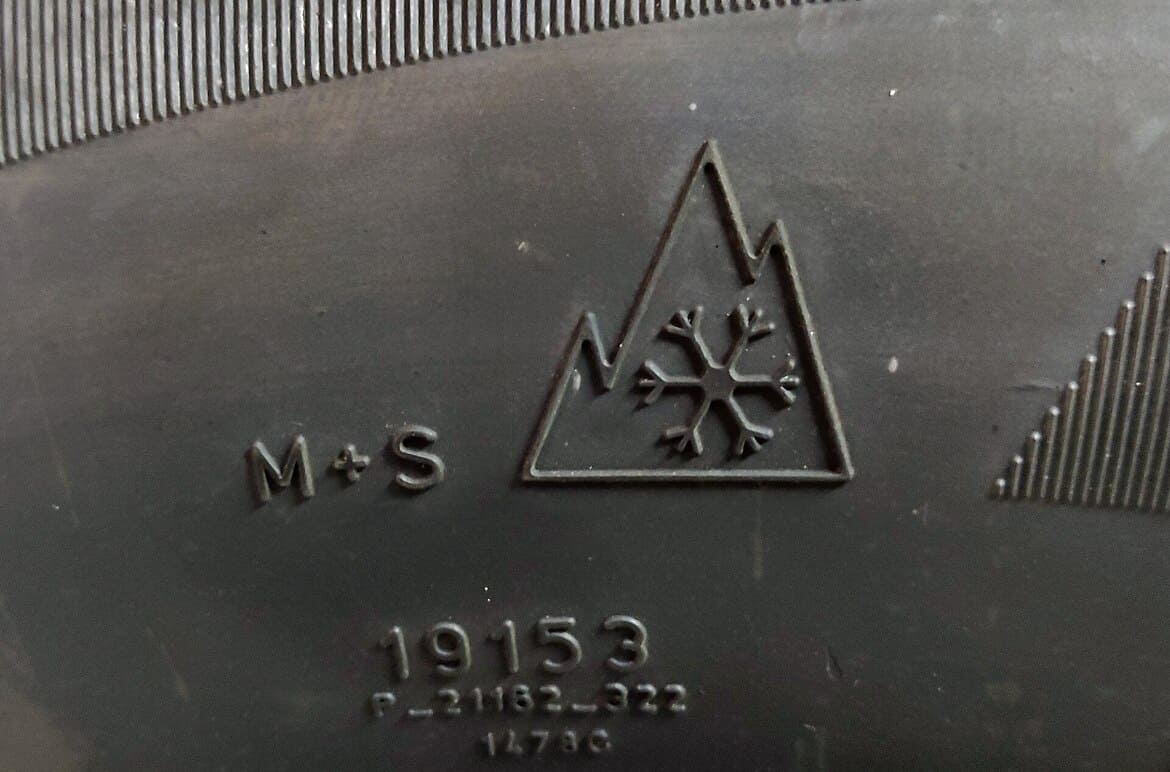
If you live in Quebec or you're driving through during winter, you already know the province takes winter tires seriously. What you might not know is exactly what the law requires, what counts as a compliant tire, and what happens if you get caught without them.
I get questions about this every fall from customers across Canada, so here's the straight answer.
What the law actually says
Quebec's Highway Safety Code requires every passenger vehicle registered in the province to have winter tires installed from December 1 through March 15 each year. That includes cars, light trucks, taxis, rental vehicles operating in Quebec, mopeds, motorized scooters, and motorcycles. If your vehicle is plated in Quebec, the law applies to you.
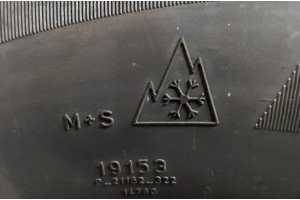
The regulation has been on the books since 2008, but the rules around what qualifies as a winter tire tightened on December 15, 2014. Since that date, only tires bearing the Alpine Symbol (a three-peak mountain with a snowflake inside, often called the 3PMSF mark) or studded tires count under the law. All-season tires, no matter how aggressive the tread looks, do not meet the requirement. M+S markings alone won't cut it either.
What the 3PMSF symbol means
The Three Peak Mountain Snowflake symbol indicates a tire has passed standardized testing for severe snow performance. It's not just a marketing badge. The tire has to demonstrate it can grip on packed snow at meaningful levels. You'll find the symbol on the tire's sidewall, usually near the brand name.
Some all-weather tires also carry the 3PMSF mark and are technically legal for Quebec winters. They're a compromise product, designed to handle three or four seasons reasonably well, and they tend to wear faster in summer heat than dedicated winter or summer tires. For most drivers in Quebec, dedicated winter tires still outperform all-weather options on ice and in deep cold, especially once temperatures drop below minus 10 Celsius.
Studded tires in Quebec
Studded tires are legal in Quebec from October 15 through May 1 for passenger vehicles. They give you better bite on glare ice than non-studded winter tires, which matters if you're regularly driving rural roads, near rivers and lakes that produce freezing fog, or in northern regions where temperatures stay deeply cold for months at a stretch.
If you choose studs, mark your calendar for the May 1 deadline. Studded tires used past that date can earn you a fine, and the rubber compounds are designed for cold weather, so running them into summer chews them up fast. The other thing to know about studs: they're noisier on dry pavement and they wear road surfaces, which is why most provinces restrict them. They shine on ice and not much else.
Penalties for non-compliance
Driving without winter tires during the mandatory period in Quebec carries fines starting at $200 and reaching up to $300, plus court fees. That's just the surface cost. The bigger risk shows up if you're in a collision while non-compliant. Insurance carriers can deny or reduce claims, and your liability exposure goes up significantly. It's not a corner worth cutting.
Police can pull you over and ticket you on the spot if your tires don't show the Alpine symbol, even if you're driving on a clear, dry road on December 2nd. The law isn't conditional on weather. December 1 means December 1.
Some highways have stricter rules
Most of Quebec's law runs from December 1 to March 15, but a handful of designated highways extend the requirement. Certain mountain and high-elevation routes may require winter tires from October 1 through April 30. If your regular driving takes you through Gaspésie, the Laurentians, or other elevated regions, double-check the local signage and SAAQ guidelines. Posted signs override the general dates.
When to actually install your winter tires
December 1 is the legal deadline. It is not the smart deadline. Cold weather changes how tires behave long before snow shows up. Once daytime temperatures drop below 7 degrees Celsius, the rubber compound in summer and all-season tires starts to harden, which lengthens braking distances and reduces grip even on dry pavement.
In most of Quebec, that 7 degree mark hits in late October or early November. Installing your winter tires by mid-November means you're protected during the cold snaps that often arrive before the snow does, and you avoid the rush at tire shops that gets brutal in the last week of November.
If you wait until November 28th, you'll be calling around looking for installation slots, and a lot of shops will already be booked solid. Plan ahead.
The insurance angle
Several insurers in Quebec offer premium discounts for vehicles equipped with winter tires during the mandatory period. The discount varies by company, but it's typically between 2 and 5 percent on your annual premium. Over the lifetime of a set of winter tires, that discount can offset a meaningful chunk of what you paid for them.
If you've never asked your insurer about a winter tire discount, it's worth a phone call. Some companies apply it automatically when you certify the tires are installed, others require you to provide documentation or a receipt.
What separates a good winter tire from a cheap one
A few things matter more than brand name when you're picking winter tires.
The compound matters more than tread pattern in most cases. Winter tires use silica-rich rubber that stays pliable in deep cold, which is what gives you grip. A tire designed for severe winter use will outperform a more aggressive looking but lower-spec tire on ice every time. The aggressive tread sells the tire visually, but the compound does the actual work.
Tread depth on a new winter tire should start at 10/32 of an inch or more. Quebec's minimum legal tread depth for winter tires is 3.5mm, which is the wear point at which a winter tire stops performing like a winter tire. If your existing winters are below 4 to 5mm of remaining tread, they're due for replacement, even if they technically still pass legal inspection.
Match all four tires. Mixing brands or models across an axle, or running winter tires only on the drive wheels, creates handling problems and is also illegal under Quebec's regulations. The law requires four matching winter tires on the vehicle.
Size matters too. Some winter tire setups use a slightly narrower tire than the original equipment summer tire because narrower tires cut through snow more effectively and put more weight per square inch on the contact patch. If you're not sure whether your vehicle has a recommended winter size, look in the owner's manual or ask the shop installing them.
A note on mounting and storage
If you're switching between summer and winter tires twice a year, dedicated wheels for each set are worth the investment. Mounting and dismounting tires off the same wheels twice a year wears the bead, the valve stems, and the tire itself. A second set of steel wheels for winter pays for itself within two or three seasons in saved labor and longer tire life.
Store the off-season set somewhere cool, dry, and out of direct sunlight. Tires that sit in a hot garage in summer or get UV exposure age much faster than tires kept in a basement or properly ventilated storage shed. If you don't have storage space, many shops offer seasonal storage for a flat annual fee.
Spreading the cost
A full set of winter tires plus mounting and balancing typically runs between $600 and $1,500 depending on your vehicle and the tire model you choose. That's a real expense, especially if it lands in the same month as holiday spending.
If you'd rather not put the full amount on a credit card, we offer Affirm financing at checkout on tireset.ca. You can split the cost across monthly payments, see the total interest before you commit, and there are no hidden fees. It's a way to stay compliant on time without taking the hit all at once.
The bottom line
Quebec's winter tire law isn't complicated once you know the basics. December 1 through March 15, four matching tires with the 3PMSF symbol or studs, fines from $200 to $300 if you skip it. The smart move is to install in early to mid-November, ask your insurer about a discount, and replace your tires before they're worn down to the legal minimum.
Stay safe out there. The roads in Quebec are no joke once the freeze sets in, and the right tires are the cheapest insurance you can buy.