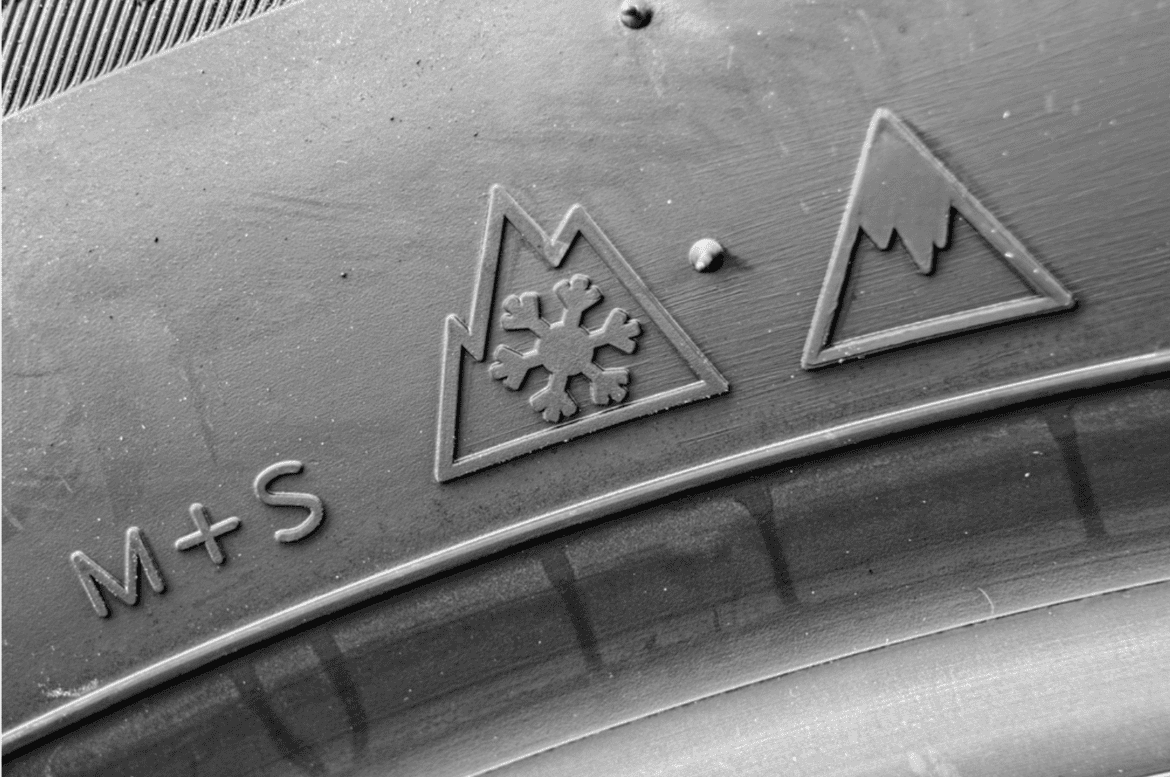
When Canadian winters hit, they hit hard. From the snowbanks of the Maritimes to the icy highways of Alberta and the mountain passes of British Columbia, drivers face some of the most challenging road conditions in the world. For that reason, Canada has become a leader in defining tire standards for winter driving safety. One of the most important symbols you’ll find on a tire sidewall today is the Three-Peak Mountain Snowflake (3PMSF) designation.
This symbol isn’t just decorative. It certifies that a tire has been tested and approved for severe snow service. Whether you’re commuting in Toronto, navigating icy roads in Montreal, or heading through the Rockies in B.C., the 3PMSF symbol is a sign that your tires can stand up to Canadian winters.
In this article, we’ll explore what the 3PMSF marking means, how it differs from older standards like M+S, why it matters for Canadian drivers, and which tires are worth considering if
When it comes to choosing the right tires for your passenger car, SUV, or light truck, most drivers look at size, brand, and price first. But there’s another set of details on the sidewall of your tires that can have a huge impact on your safety and performance: the traction and temperature ratings.
These ratings aren’t just technical jargon—they tell you how well your tires will grip the road, handle wet conditions, and resist overheating at highway speeds. In Canada, where drivers face a wide range of weather conditions, from icy winters in Alberta to scorching summer highways in Ontario, understanding these ratings is essential.
In this guide, we’ll break down what tire traction and temperature ratings mean, why they matter for both passenger and light truck tires, and how to make the best choice for your driving needs.
The Basics of Tire Ratings
Tires sold in North America are graded under the Uniform Tire Quality Grading (UTQG) system,
When you shop for tires in Canada, you’ll see a wide range of numbers, letters, and symbols on sidewalls. One of the most common—and most misunderstood—is “LT” at the beginning of a tire size. For example: LT245/75R16.
So, what does LT mean, and why does it matter for your truck or SUV? Let’s break it down in plain English so you can make an informed choice and avoid costly mistakes.
What Does “LT” Mean in Tire Sizes?
“LT” stands for Light Truck. These tires are built to handle more demanding conditions than regular passenger (P-metric) tires.
Extra strength: LT tires are made with thicker sidewalls and more plies for carrying heavier loads.
Higher inflation pressures: They are designed to safely carry extra weight at higher PSI.
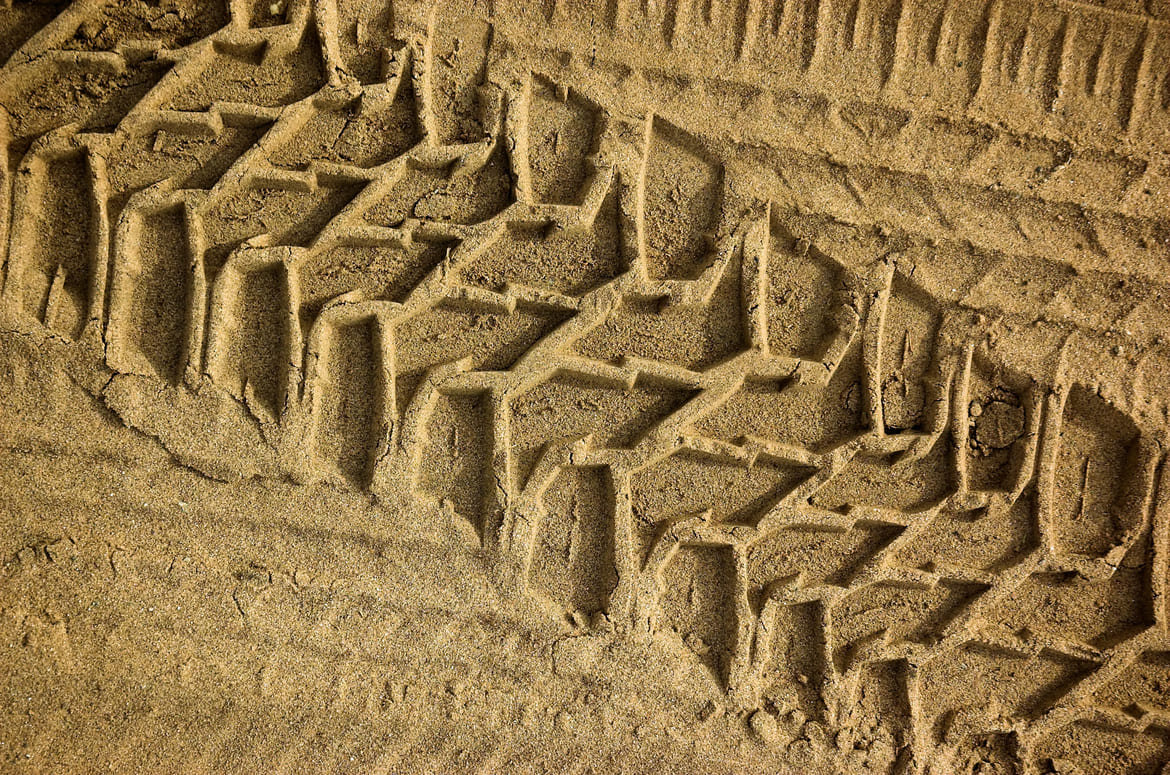
Durability: LT tires are built to withstand rough Canadian roads, gravel, construction sites, and off-road use.