

When Canadian winters hit, they hit hard. From the snowbanks of the Maritimes to the icy highways of Alberta and the mountain passes of British Columbia, drivers face some of the most challenging road conditions in the world. For that reason, Canada has become a leader in defining tire standards for winter driving safety. One of the most important symbols you’ll find on a tire sidewall today is the Three-Peak Mountain Snowflake (3PMSF) designation.
This symbol isn’t just decorative. It certifies that a tire has been tested and approved for severe snow service. Whether you’re commuting in Toronto, navigating icy roads in Montreal, or heading through the Rockies in B.C., the 3PMSF symbol is a sign that your tires can stand up to Canadian winters.
In this article, we’ll explore what the 3PMSF marking means, how it differs from older standards like M+S, why it matters for Canadian drivers, and which tires are worth considering if you want true winter safety.
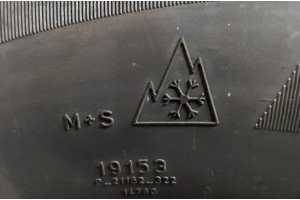
What Is the Three-Peak Mountain Snowflake Symbol?
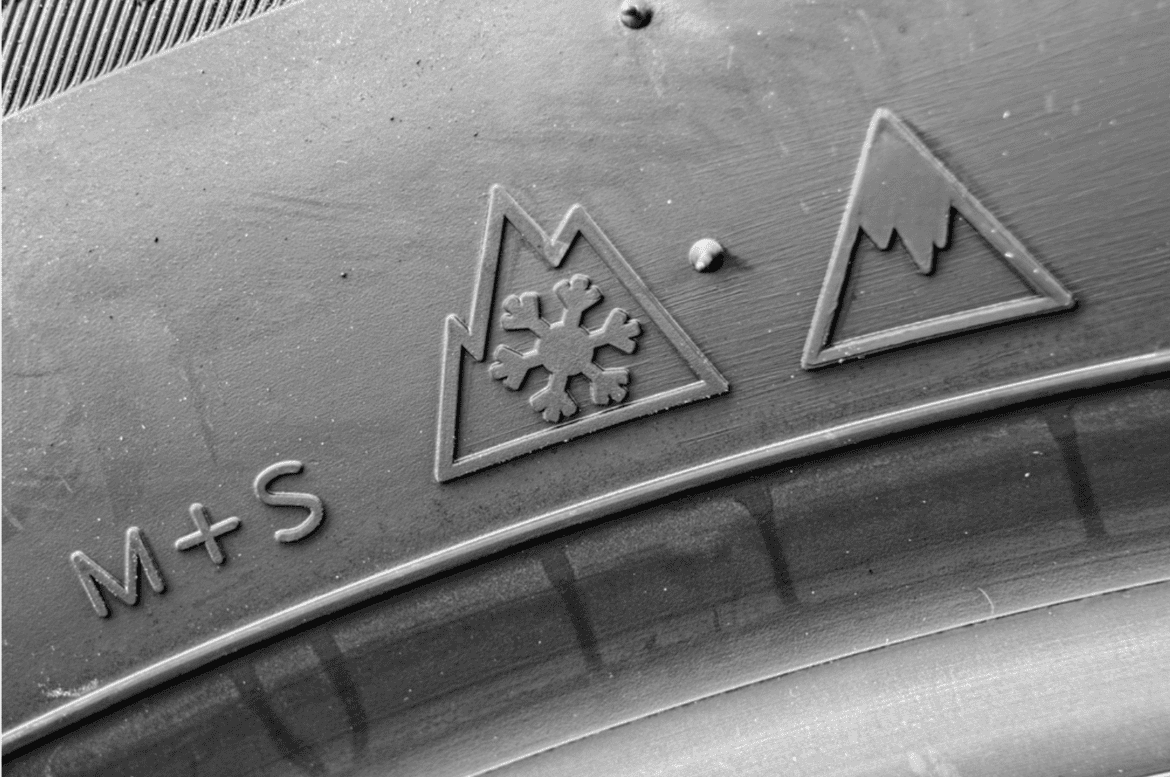
The 3PMSF symbol is a pictogram showing a snowflake inside a mountain with three peaks. To qualify for this marking, a tire must pass strict industry testing that measures its snow traction performance.
Unlike generic “all-season” labels, this symbol is regulated under standards set by the U.S. Tire Manufacturers Association and the Rubber Association of Canada. To earn it, a tire must demonstrate at least 10% better snow traction than a standard reference tire in controlled tests.
For Canadian drivers, this matters because winter isn’t just a few flurries—it’s months of snow, ice, slush, and freezing rain. The 3PMSF symbol helps you quickly identify which tires are up to the task.
The Difference Between M+S and 3PMSF
Before the 3PMSF symbol became the industry benchmark, the M+S (Mud and Snow) marking was widely used. Here’s the key difference:
- M+S Tires
- Qualify based on tread design (wider gaps between tread blocks).
- No actual performance test required.
- Adequate for light winter use, but not built for severe Canadian conditions.
- 3PMSF Tires
- Must pass a standardized snow-traction test.
- Designed with winter-specific tread compounds.
- Certified for use in heavy snow and low temperatures.
In short, M+S may get you through a chilly October morning in Vancouver, but in Montreal in January—or on the Coquihalla Highway in February—it simply isn’t enough.
Why the 3PMSF Symbol Matters in Canada
Canada’s geography makes winter driving a national challenge. From coast to coast, drivers face unique road hazards:
- Quebec winters bring long stretches of icy highways.
- Ontario drivers deal with heavy lake-effect snow around the Great Lakes.
- Western Canada faces freezing rain in the Prairies and treacherous mountain passes in B.C.
- Atlantic Canada gets snowstorms one week and ice pellets the next.
For these reasons, several Canadian provinces regulate winter tire use.
- Quebec: Winter tires are mandatory from December 1 to March 15, and they must carry the 3PMSF symbol (or be studded where legal).
- British Columbia: On certain highways, 3PMSF or chains are required from October 1 to April 30.
- Other provinces: While not always mandatory, many insurance companies reward drivers with discounts for installing certified winter tires.
In other words: having the 3PMSF designation on your tires isn’t just about safety—it can also save you money and help you stay compliant with local laws.
The Science Behind 3PMSF Tires
Tires that qualify for the 3PMSF symbol aren’t just regular all-seasons with a deeper tread. They’re engineered specifically for winter. Key features include:
- Cold-Resistant Compounds
Rubber stiffens as temperatures drop below 7°C. Winter-rated tires use compounds that stay flexible in the cold, keeping more tread in contact with the road. - High-Density Siping
Tiny slits across the tread blocks create extra biting edges, improving grip on ice and packed snow. - Deep Tread Grooves
Deeper channels push slush and snow out of the way, reducing the risk of hydroplaning. - Directional and Asymmetrical Patterns
Many winter tires feature tread patterns optimized for cutting through snow and maintaining control in corners.
These features all work together to ensure you get better braking, acceleration, and steering response when it matters most.
All-Season, All-Weather, and Winter Tires: Where Does 3PMSF Fit?
Canadian drivers often wonder which type of tire is best for them. The 3PMSF symbol helps clear up the confusion.
- All-Season Tires
- Usually marked with M+S.
- Designed for moderate climates, not Canadian winters.
- Do not carry the 3PMSF designation.
- All-Weather Tires
- A hybrid category gaining popularity in Canada.
- Many models carry the 3PMSF symbol.
- Can be used year-round in regions with mild to moderate winters (e.g., Vancouver, Victoria, southern Ontario).
- Winter Tires (Snow Tires)
- Almost all carry the 3PMSF symbol.
- Best suited for harsh Canadian winters.
- Should be swapped seasonally to maximize lifespan.
For most Canadians, all-weather or winter tires with the 3PMSF symbol are the smartest choice.
Real-World Benefits of 3PMSF Tires in Canada
- Shorter Stopping Distances
Tests show that winter-rated tires can cut braking distances on snow and ice by several car lengths compared to all-seasons. - Better Control in Emergencies
When you need to swerve or brake suddenly, 3PMSF tires provide the traction to help you maintain control. - Compliance with Provincial Laws
In Quebec and British Columbia, 3PMSF isn’t optional—it’s mandatory. - Insurance Discounts
In provinces like Ontario, many insurers offer reduced premiums if your vehicle is equipped with certified winter tires.
Choosing the Right 3PMSF Tires for Canadian Conditions Here are some categories and examples of tires that commonly feature the 3PMSF symbol:
- Passenger Cars: Michelin X-Ice Snow, Bridgestone Blizzak WS90, Continental VikingContact 7.
- SUVs and Crossovers: Goodyear Ultra Grip Ice WRT, Toyo Observe GSi-6, Nokian Hakkapeliitta R5 SUV.
- Trucks and Light Commercial Vehicles: BFGoodrich All-Terrain T/A KO2, Falken WildPeak A/T3W, Toyo Open Country A/T III.
Your choice depends on your region and driving habits. For example:
- In southern Ontario, where winter alternates between slush and freezing rain, an all-weather 3PMSF tire may be ideal.
- In Northern Quebec or the Prairies, a dedicated winter tire is the safest bet.
- For work trucks that need year-round traction, many all-terrain models now carry the 3PMSF marking.
Tips for Getting the Most Out of Your 3PMSF Tires
Even the best tires can underperform if not cared for properly. Follow these tips to maximize safety and value:
- Install a Full Set – Mixing winter tires with all-seasons reduces balance and handling. Always equip all four wheels.
- Monitor Tire Pressure – Air pressure drops in cold weather, so check frequently. ● Rotate Regularly – Rotating your tires every 8,000–10,000 km promotes even wear.
- Swap at the Right Time – In most of Canada, you’ll want winter tires on by mid-November and off by mid-April.
- Store Properly – When not in use, store tires in a cool, dry location away from sunlight.
The Bottom Line for Canadian Drivers
The Three-Peak Mountain Snowflake symbol isn’t just another marking on your sidewall. It’s proof that a tire has been tested and certified to perform in the exact conditions Canadian drivers face every winter.
From reducing braking distances to keeping you compliant with provincial laws, the 3PMSF designation is essential for safe and responsible winter driving. Whether you choose winter-only tires or versatile all-weathers, look for that mountain-and-snowflake symbol before you buy.
At TireSet.ca, we specialize in supplying Canadian drivers with affordable, high-quality tires—including a wide selection of 3PMSF-certified options. With financing plans, free shipping, and trusted service, we make it easy to stay safe on the road all year long.