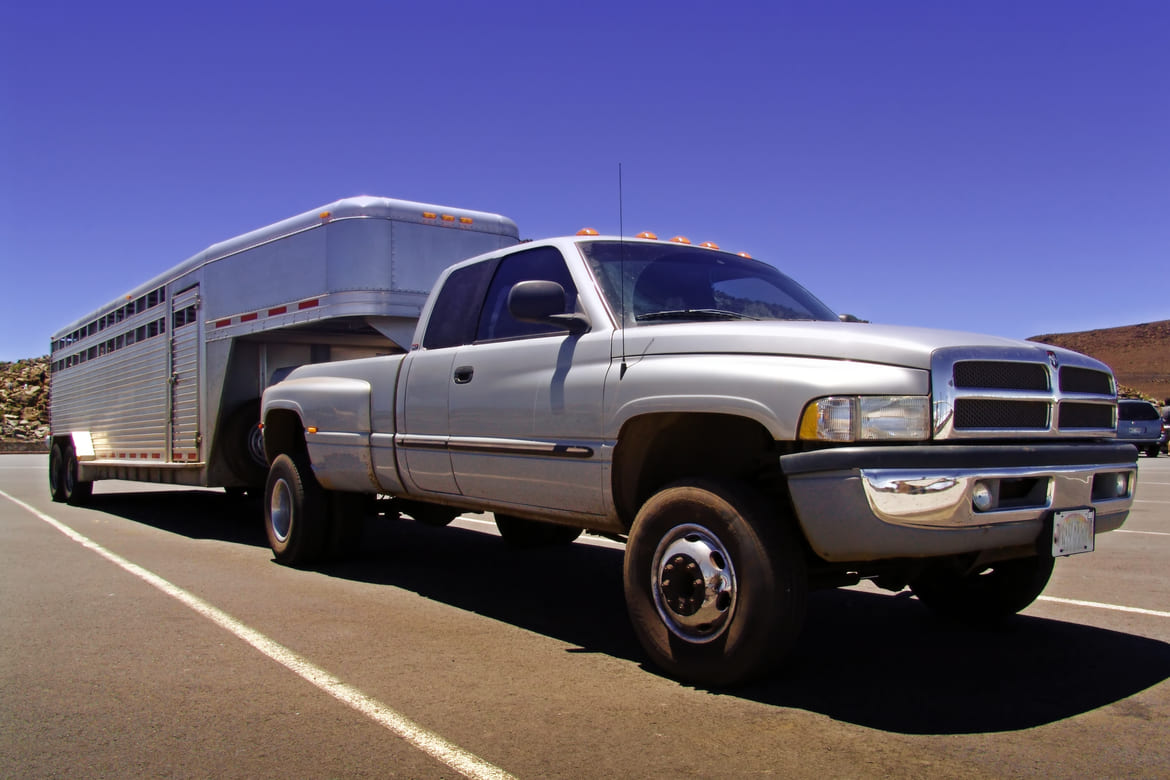
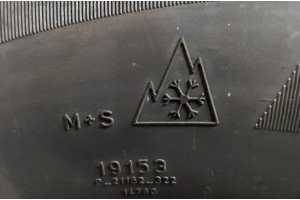
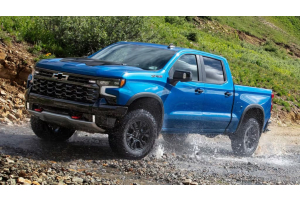
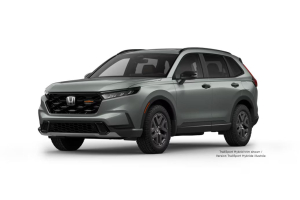
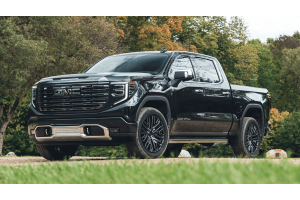
If you’ve shopped for truck or SUV tires, you’ve likely noticed some tire sizes start with the letters LT, while others begin with P or have no letter at all. At first glance, it may seem like just another part of the tire size code — but those two letters actually tell you a lot about how the tire is built and what it’s designed to handle.
Today, we’re breaking down exactly what LT means on a tire, how it compares to passenger (“P-metric”) tires, and when you do and don’t want to choose LT tires. We’ll also cover how this applies to real-world driving situations in Canada — like hauling, towing, farm use, winter tires in deep snow, and driving on rough northern roads.
What Does LT Mean on a Tire?
The letters LT on a tire stand for Light Truck.
This doesn’t mean the tire is only for small trucks — it means the tire is built to carry heavier
Your Complete Canadian Tire Balancing Guide from TireSet.ca
When you buy new tires, you’ll often hear the phrase “We’ll make sure they’re balanced.” Balancing is one of those behind-the-scenes steps most drivers overlook — until their vehicle shakes at highway speeds or tires wear unevenly.
At the center of a smooth ride are wheel weights — small but crucial components that keep your tires spinning evenly and your vehicle safe and efficient.
What Exactly Are Wheel Weights?
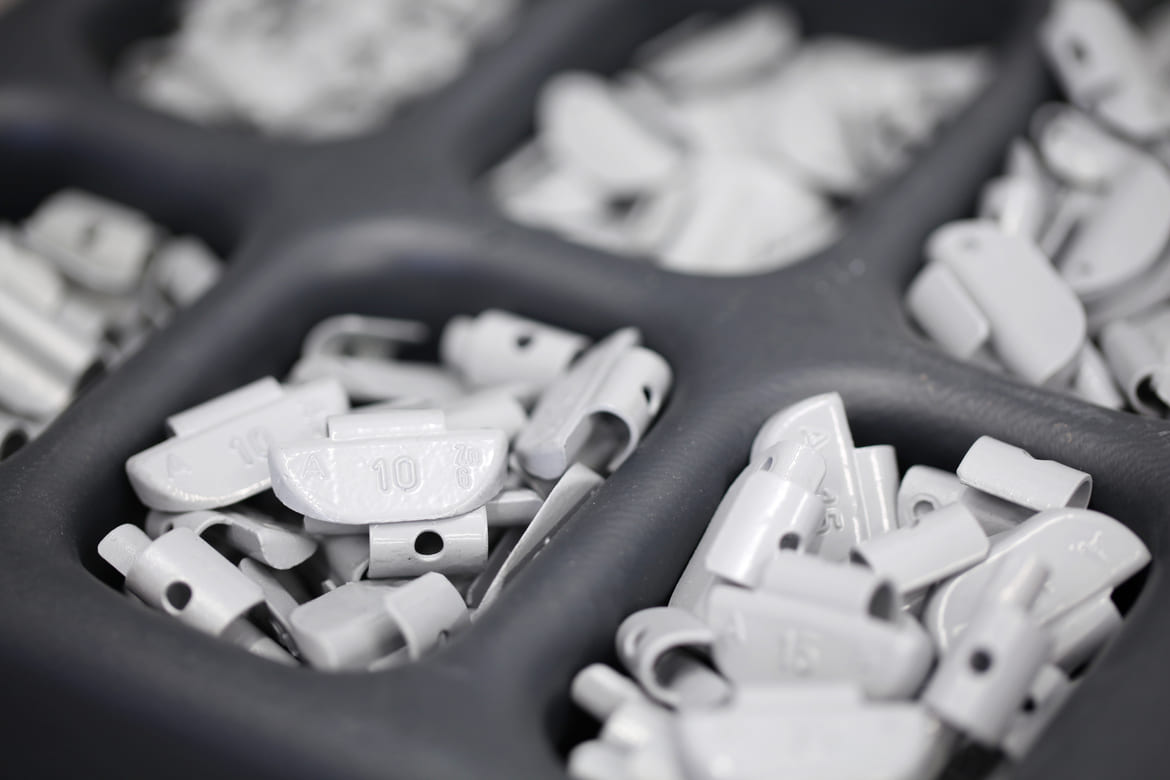
Wheel weights are small metal or composite materials attached to the wheel rim to correct imbalance. Even brand-new tires and wheels have minor variations in density and weight. These cause uneven rotation that may not be noticeable at low speeds but can create significant vibration at 60–120 km/h.
If you’ve ever had to replace a set of tires, you know it can hit the wallet hard — especially when you’re running a truck, SUV, or family vehicle that needs more than just the cheapest rubber on the market. At TireSet.ca, we talk to drivers every day who say the same thing:
“I don’t want junk tires, but I also don’t want to spend a thousand bucks just to drive safely.”
We get it. The good news is, you can buy high-quality tires on a budget if you know what to look for — and that’s exactly what this article is about.
What “Budget Tires” Really Mean
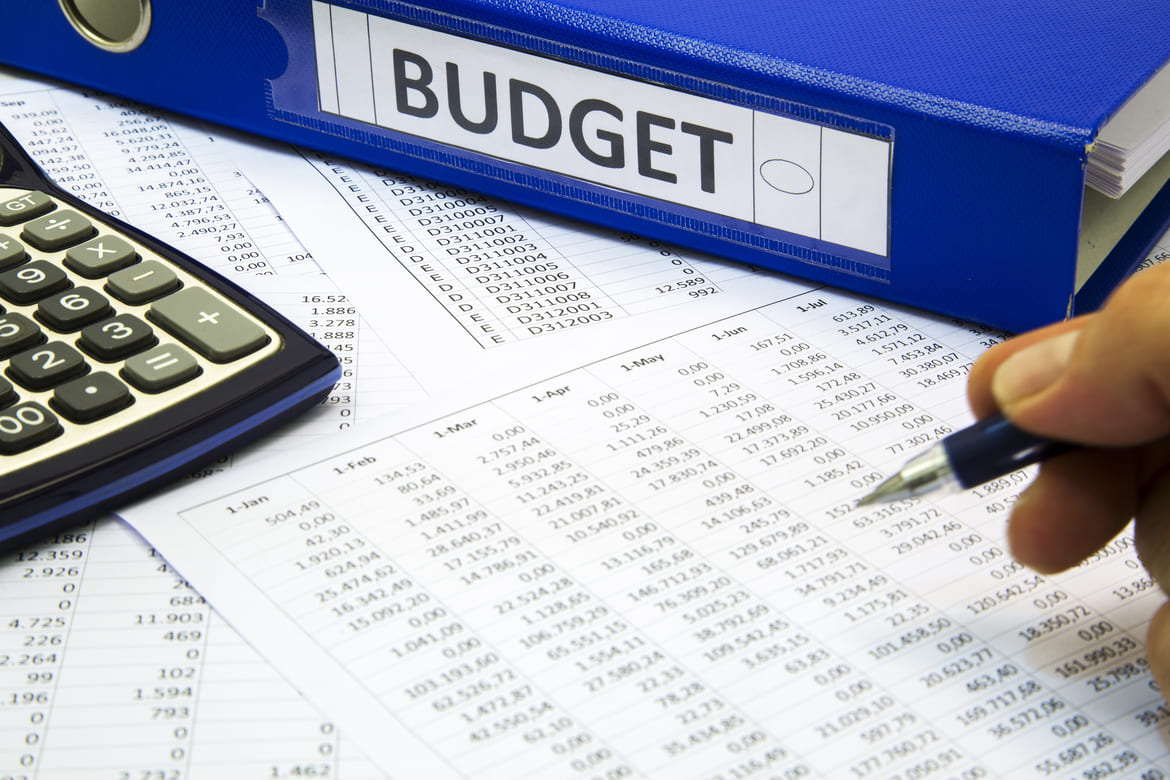
Let’s start by clearing something up: budget doesn’t mean bad. It means smart spending.
Budget tires are typically made by lesser-known brands that don’t spend millions on marketing but still use solid materials and manufacturing techniques. Many of them are produced in the same factories as the big names you know.