

Your Complete Canadian Tire Balancing Guide from TireSet.ca
When you buy new tires, you’ll often hear the phrase “We’ll make sure they’re balanced.” Balancing is one of those behind-the-scenes steps most drivers overlook — until their vehicle shakes at highway speeds or tires wear unevenly.
At the center of a smooth ride are wheel weights — small but crucial components that keep your tires spinning evenly and your vehicle safe and efficient.
What Exactly Are Wheel Weights?
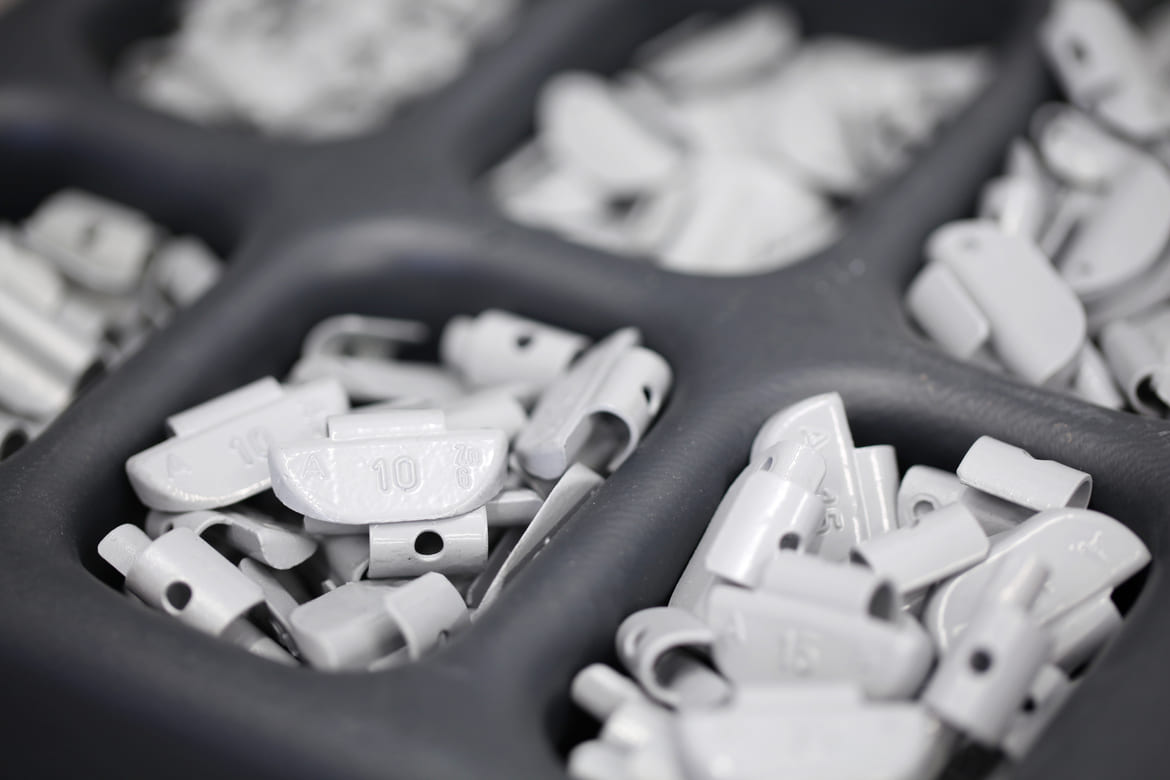
Wheel weights are small metal or composite materials attached to the wheel rim to correct imbalance. Even brand-new tires and wheels have minor variations in density and weight. These cause uneven rotation that may not be noticeable at low speeds but can create significant vibration at 60–120 km/h.
Common symptoms of imbalance:
- Steering wheel shake
- Cabin vibration
- Uneven or faster tread wear
- Premature suspension wear
- Reduced fuel efficiency
Wheel weights counteract those imperfections so your tires spin evenly and safely.
Why Balancing Matters More in Canada
Canada’s road conditions are tough on wheels:
- Winter frost heaves
- Potholes and gravel roads
- Sharp temperature swings
- Long highway stretches
Even properly balanced wheels can shift over time due to harsh conditions or seasonal tire changes. Most Canadian drivers should balance their wheels at least once a year, especially if they:
- Rotate tires regularly
- Switch between winter and all-season sets
- Drive long highway distances
- Notice vibration at higher speeds
Static vs. Dynamic Balance
Modern tire shops use precision machines to measure wheel motion.
Static Balancing:
Fixes vertical (up-and-down) imbalance. Common in simpler or lightweight wheels.
Dynamic Balancing:
Fixes vertical and lateral (side-to-side) imbalance. Modern vehicles require this method because wheels are wider and heavier. Most Canadian shops use dynamic balancing, which may involve placing weights in multiple positions.
Types of Wheel Weights
1. Clip-On Wheel Weights
Clips directly onto the wheel flange.
Pros:
- Secure fit
- Quick to install
- Cost-effective
Cons:
- Can scratch alloy rims
- Visible from the outside
- Not ideal for modern low-profile rims
Common Uses:
Steel wheels, winter sets, work trucks, or OEM-style setups where appearance is secondary.
2. Adhesive (Stick-On) Wheel Weights
Flat strips with adhesive backing applied inside the wheel barrel.
Pros:
- Invisible from outside
- Won’t damage wheel edges
- Compatible with modern rim shapes
Cons:
- Requires clean surface for adhesion
- Takes slightly longer to install
Common Uses:
Performance cars, alloy wheels, EVs, and custom setups.
Materials: Steel, Zinc, and Lead
Lead weights were once common but are now banned in Canada. Today’s replacements include:
- Zinc: Corrosion-resistant and eco-friendly
- Steel: Durable and cost-effective
If buying from abroad, check that your wheel weights comply with Canadian environmental standards.
Recognizing Out-of-Balance Wheels
| Symptom | Likely Cause | Resulting Problem |
|---|---|---|
| Steering wheel vibration (50–120 km/h) | Front wheels imbalanced | Uneven tire wear, steering stress |
| Seat or floorboard vibration | Rear wheels imbalanced | Rear tire wear, ride discomfort |
| Feathered or patchy tire wear | Tire hopping or bouncing | Shortened tire lifespan |
| Poor fuel economy | Higher rolling resistance | More frequent fueling |
Balancing costs little but prevents expensive suspension and tire repairs later.
Do New Tires Come Balanced?
Tires purchased online, such as from TireSet.ca, come unmounted. Your local shop will:
- Mount the tire to the wheel
- Inflate and seat it properly
- Perform balancing with precise weights
If a shop skips balancing, find another — it’s not optional.
Road Force Balancing
Road Force balancing simulates real-world driving by applying pressure during the spin test. It’s ideal for:
- Performance and luxury vehicles
- EVs with heavy wheels and torque
- Trucks that tow or carry payloads
For regular sedans, dynamic balancing typically suffices.
How Often Should You Balance?
| When | Why It Matters |
|---|---|
| Every 10,000–12,000 km | Normal wear changes distribution |
| At every tire rotation | Keeps wear patterns even |
| With each seasonal tire swap | Winter and summer wheels differ in weight |
| After hitting potholes or curbs | Single impacts can offset balance |
| If vibration occurs at 80–120 km/h | Early warning sign of imbalance |
Wheel Balancing for Electric Vehicles
EVs add unique challenges:
- Heavier wheels amplify imbalance
- Instant torque stresses tires faster
- Adhesive weights suit EV aero wheels best
Drivers of Model 3, Y, Bolt, Leaf, Ioniq, and similar EVs should request adhesive weights on cleaned inner surfaces.
Buying Tires Online in Canada
Ordering from TireSet.ca ensures your tires ship directly to your home or installer anywhere in Canada. You can shop by:
- Vehicle type
- Tire size
- Driving style and regional conditions
Payment options:
- Affirm installment plans
- Credit or debit card
- Sezzle (coming soon)
Final Thoughts
Wheel weights may be small, but they make a huge difference. Proper tire balancing:
- Extends tire lifespan
- Protects suspension
- Increases fuel efficiency
- Ensures a smoother, safer drive
From Manitoba frost heaves to Toronto traffic, balanced wheels help every trip feel better. Take the time to balance — your car and passengers will thank you.