

If you’ve shopped for truck or SUV tires, you’ve likely noticed some tire sizes start with the letters LT, while others begin with P or have no letter at all. At first glance, it may seem like just another part of the tire size code — but those two letters actually tell you a lot about how the tire is built and what it’s designed to handle.
Today, we’re breaking down exactly what LT means on a tire, how it compares to passenger (“P-metric”) tires, and when you do and don’t want to choose LT tires. We’ll also cover how this applies to real-world driving situations in Canada — like hauling, towing, farm use, winter tires in deep snow, and driving on rough northern roads.
What Does LT Mean on a Tire?
The letters LT on a tire stand for Light Truck.
This doesn’t mean the tire is only for small trucks — it means the tire is built to carry heavier loads and handle more rugged driving conditions than a standard passenger vehicle tire. LT-rated tires are most commonly used on:
- Pickup trucks (half-ton, three-quarter-ton, and one-ton models)
- Full-size SUVs
- Vans used for cargo or equipment
- Trucks used for towing trailers, RVs, or boats
- Work trucks and farm trucks
Where You’ll See LT in the Tire Size
LT may appear in one of two places:
| Tire Size Example | Meaning |
| LT275/65R18 | LT tire, intended for light trucks from the start |
| 275/65R18 E | Tire size without LT, but Load Range E still indicates a heavy-duty LT construction |
| P275/65R18 | Passenger tire, not intended for heavy loads |
So yes — just seeing “LT” is helpful, but we also need to pay attention to load range (more on that below).
How Are LT Tires Different From Passenger Tires?
Passenger tires (marked with “P” or no letter) are built for comfort, fuel efficiency, and quiet highway driving. LT tires, on the other hand, are built stronger.
Key Construction Differences
| Feature | Passenger (P-Metric) Tires | Light Truck (LT) Tires |
| Sidewalls | Softer, more flexible | Thicker sidewalls for strength |
| Load Handling | Designed for everyday use | Designed for towing and hauling heavy weight |
| Pressure Requirements | Lower PSI | Higher PSI required to support loads |
| Ride Comfort | Smoother and quieter | Can feel firmer or slightly louder |
| Durability | Best for pavement and city driving | Built for gravel, logging roads, and jobsite conditions |
If you regularly drive rough roads or carry equipment, the difference in durability alone can be worth it.
Understanding Load Range (C, D, E, F, etc.)
LT tires also include a Load Range rating, typically marked on the sidewall:
- Load Range C → lighter-duty LT tire
- Load Range D → medium-duty
- Load Range E → heavy-duty (very common in pickups)
- Load Range F & G → commercial and one-ton truck territory
Why Load Range Matters
If your truck is rated to tow or haul a certain weight, your tires must be able to support that load. Using a passenger tire (or the wrong load range) can:
- Cause the tires to overheat
- Reduce braking stability
- Increase sway while towing
- Lead to premature wear — or blowouts
This is especially important in Canada, where we have:
- Long highway stretches
- Steep inclines in mountain regions
- Logging and gravel roads
- Snow and ice that already reduce traction
Your tires are the foundation of your truck’s safety. If they’re under-rated for the job, the risk increases significantly.
When Should You Choose LT Tires?
Choose LT tires if any of the following apply to you:
✔ You tow a trailer, RV, boat, or equipment
✔ You haul heavy loads in the bed of your truck
✔ You regularly drive on rough gravel or dirt roads
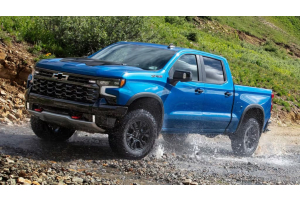
✔ You go off-road, even occasionally
✔ You own a ¾-ton or 1-ton truck
✔ You run a farm truck or work truck
In these cases, the added strength of LT tires improves:
- Stability while towing
- Durability on rough surfaces
- Handling under load
- Safety during braking
Real Canadian Use Cases
| Scenario | Suggested Tire Type |
| Driving logging roads in BC or the Yukon | LT tires for puncture resistance |
| Pulling a horse trailer across Alberta prairie | LT tires for load stability |
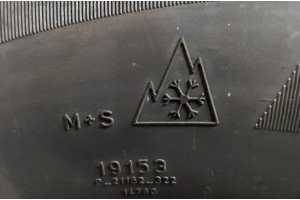
| Snowy backroads in Nova Scotia | LT winter tires with mountain/snowflake symbol |
| Farm truck used for hay or equipment hauling in Ontario | LT Load Range E for durability |
When Should You Not Choose LT Tires?
Stick with passenger tires (P-metric) if you:
- Mostly drive in the city
- Don’t tow or haul anything heavy
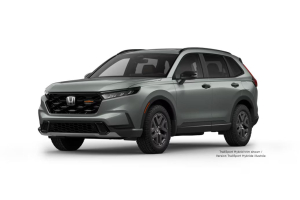
- Drive a crossover SUV rather than a truck
- Want the smoothest, quietest ride possible
Passenger tires are often cheaper and offer a more comfortable ride. So if your vehicle never works hard, LT tires may be unnecessary.
How Tire Pressure Works Differently With LT Tires
LT tires require higher PSI to safely carry heavy weight. This is one of the most misunderstood parts of owning truck tires.
Example:
| Tire Type | Typical PSI |
| Passenger Tire | ~32 PSI |
| LT Tire (Load Range E) | 50–80 PSI depending on load |
Running LT tires at too low of a PSI causes:
- Tire overheating
- Poor handling
- Rapid tread wear
- Reduced towing safety
Always follow:
- Your truck’s door panel PSI recommendations, AND
- The load range requirements for the weight you’re carrying
If you’re unsure, we’re happy to help — just message us at TireSet.ca with your truck model and load needs.
Do You Need LT Tires for Winter?
Not always — but many Canadian drivers benefit from them, especially if:
- You live in a rural area
- You tow in winter
- You drive on unplowed or back roads
- You have a work or farm truck
Look for winter tires with the Three-Peak Mountain Snowflake symbol for true winter performance.
LT Tires Cost More — Are They Worth It?
If your truck is used like a truck, then yes — LT tires almost always save money long-term.
The Cost Savings Come From:
- Longer tread life when hauling
- Fewer punctures on gravel roads
- Reduced risk of blowouts while towing
- Better resale value for work vehicles
Think of LT tires like the difference between running shoes and steel-toe work boots. If the job is heavy-duty — the equipment should be too.
Shop LT Tires at TireSet.ca (We Ship Across Canada)
At TireSet.ca, we carry:
- LT all-season tires
- LT all-terrain tires
- LT mud tires
- LT winter tires
- Load Range C, D, E, F and up
We make it easy to buy tires online in Canada:
- Fast shipping across the country
- Affordable pricing
- Pay over time with Affirm
- Expert help if you need to match load range
Not sure which LT tire is right for your truck? Our team is happy to help — just ask.
Final Thoughts
The “LT” on a tire isn’t just a label — it tells you how strong the tire is, how much weight it can safely support, and whether it’s built for tough Canadian driving conditions. If your vehicle hauls, tows, or leaves the pavement, LT tires provide the durability and safety needed to get the job done.
If your vehicle is more of a daily commuter, you’re likely better off with passenger tires for comfort and pricing.
Either way — choosing the right type of tire matters, and we’re here to help you do it confidently.