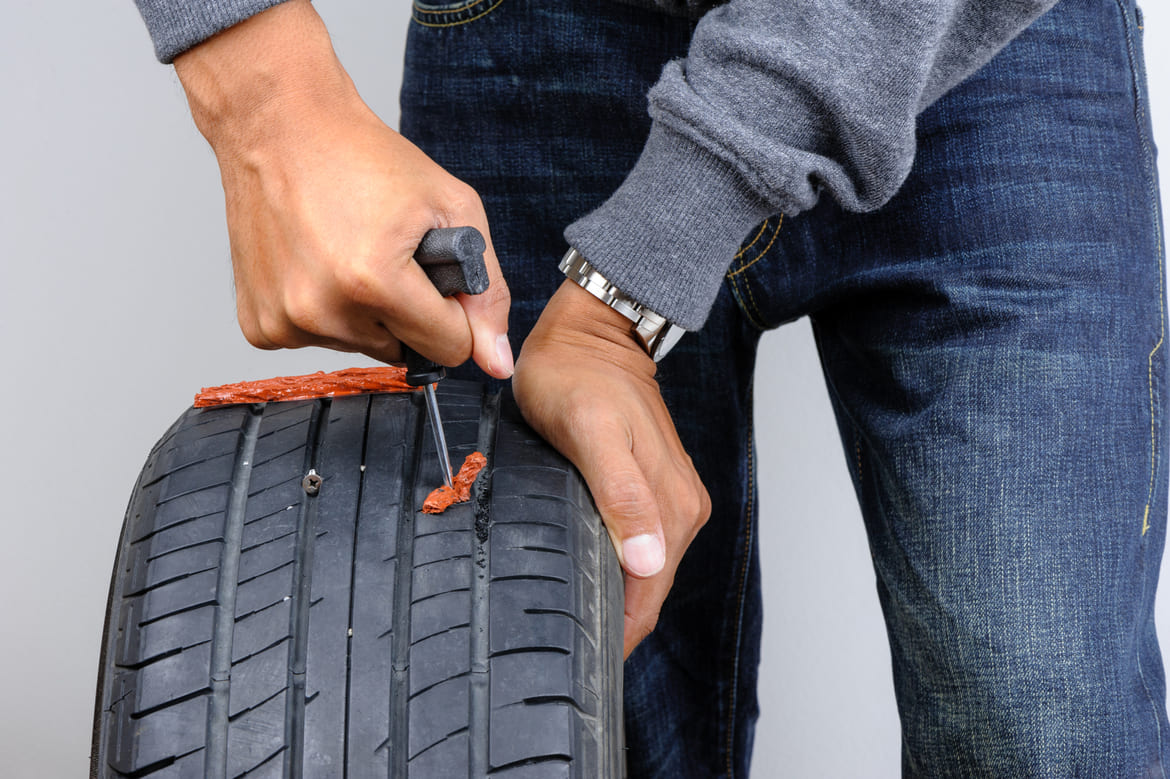
A flat tire can ruin your day in seconds. Whether you’re commuting to work, hauling kids to school, or preparing for a weekend road trip, nothing brings plans to a screeching halt like the dreaded hiss of escaping air. But before you toss out your tire for a brand-new replacement, there may be another option: a patch plug repair.
Patch plug repairs can save you money, extend your tire’s life, and keep you safely on the road — when done properly. But they’re not always the right solution. In this guide, we’ll walk you through exactly when a patch plug repair is appropriate, when it isn’t, and what Canadian drivers should know before deciding.
What Is a Patch Plug Repair?
A patch plug is a combination repair method that addresses both the inside and outside of a punctured tire.
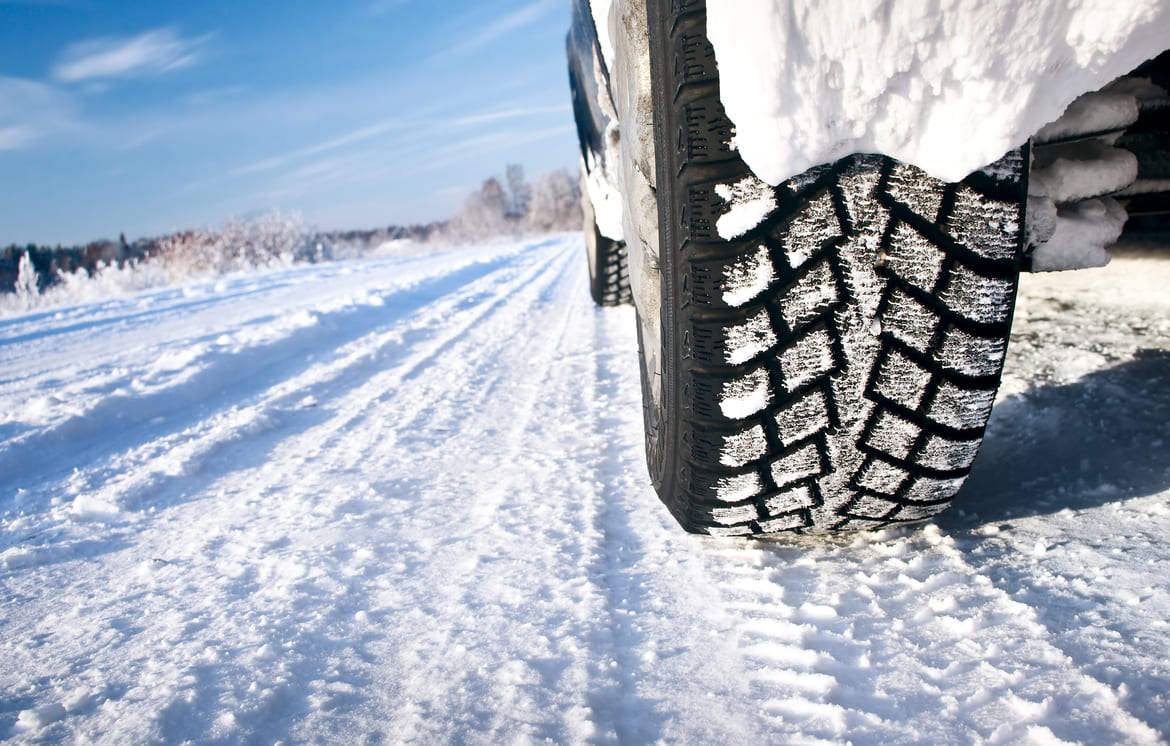
For Canadian drivers, winter brings more than just snow-covered roads and colder mornings; it also brings the critical task of switching from all-season or summer tires to winter tires. The timing of your winter tire changeover isn’t just about convenience, it can mean the difference between safe driving and dangerous conditions.
But here’s the big question: When exactly should you make the switch? The answer depends on where in Canada you live, the type of driving you do, and local laws. In this guide, we’ll break down the best times for winter tire changeover, regional differences, key safety factors, and how to save money while staying safe on the road.
Why Winter Tire Changeover Matters
Winter tires aren’t just “better” than all-season tires in the snow; they’re engineered for Canadian winters. Here’s why the timing matters:
Rubber compound flexibility: Winter tires stay soft and grippy in
When you shop for tires, it’s easy to focus on tread patterns, brand names, or price. But there’s a small letter at the end of the tire size that can tell you a lot about how a tire will behave on your vehicle: the speed rating. Two of the most common ratings Canadian drivers see are S and H. So which one is “better”?
The short answer: neither is universally better—the right choice depends on your vehicle, how and where you drive, and the balance you want between comfort, longevity, and performance. This guide breaks down S vs H in plain language so you can make a confident, safe choice.
What Is a Tire Speed Rating?
A tire’s speed rating is a letter that indicates the maximum sustained speed a tire can handle under controlled lab conditions while carrying its rated load. It’s not a recommendation to drive at that speed—think of it as a window
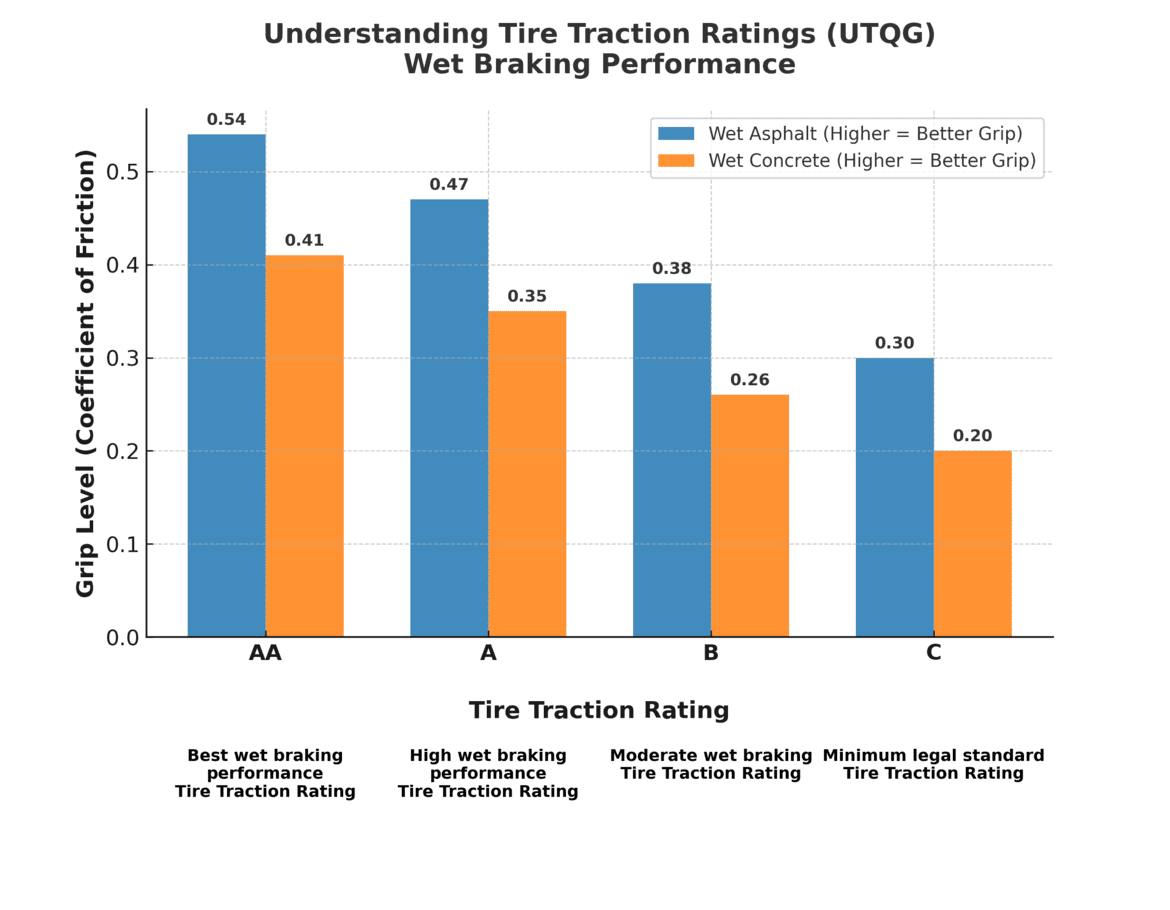
Canada experiences a wide variety of driving conditions—from heavy rain in coastal regions to icy, snow-packed roads in winter. While traction ratings only measure wet pavement braking, they are still an important safety factor.
Here’s why traction ratings are important in Canada:
Rain and Slush: Wet braking performance can be the difference between stopping safely or rear-ending the vehicle ahead.
Year-Round Safety: Even if you switch to winter tires seasonally, your all-season or summer passenger tires will see a lot of wet road conditions.
Emergency Situations: Better traction means better control in sudden stops—something every driver can appreciate.
Traction Rating vs. Other Tire Ratings
While traction rating is important, it’s only one part of a tire’s overall performance profile.
When selecting wheels or tires for your vehicle, one of the most important but often overlooked factors is the bolt pattern. This specification determines whether a wheel will mount properly onto your vehicle’s hub. In this guide, we will explain what a bolt pattern is, why it matters, how to measure it accurately, and how it fits into the overall wheel fitment process.
What Is Bolt Pattern?
The bolt pattern, also known as the lug pattern or Pitch Circle Diameter (PCD), refers to the number of bolts or lug nuts
If you’ve ever shopped for new wheels or rims for your vehicle, you’ve probably come across the term wheel offset—and wondered what it really means. Whether you're upgrading for style, performance, or fitting new tires, understanding wheel offset is essential for safety, ride quality, and ensuring your wheels don’t rub against your fenders or suspension.
In this guide, we’ll explain:
What wheel offset is (in plain language)
The differences between positive, zero, and negative offset
How offset affects your vehicle’s look and performance
How to find the correct offset for your vehicle
What happens if you get it wrong
Tools and tips for choosing wheels with the right offset
And how to shop confidently for wheels at TireSet.ca
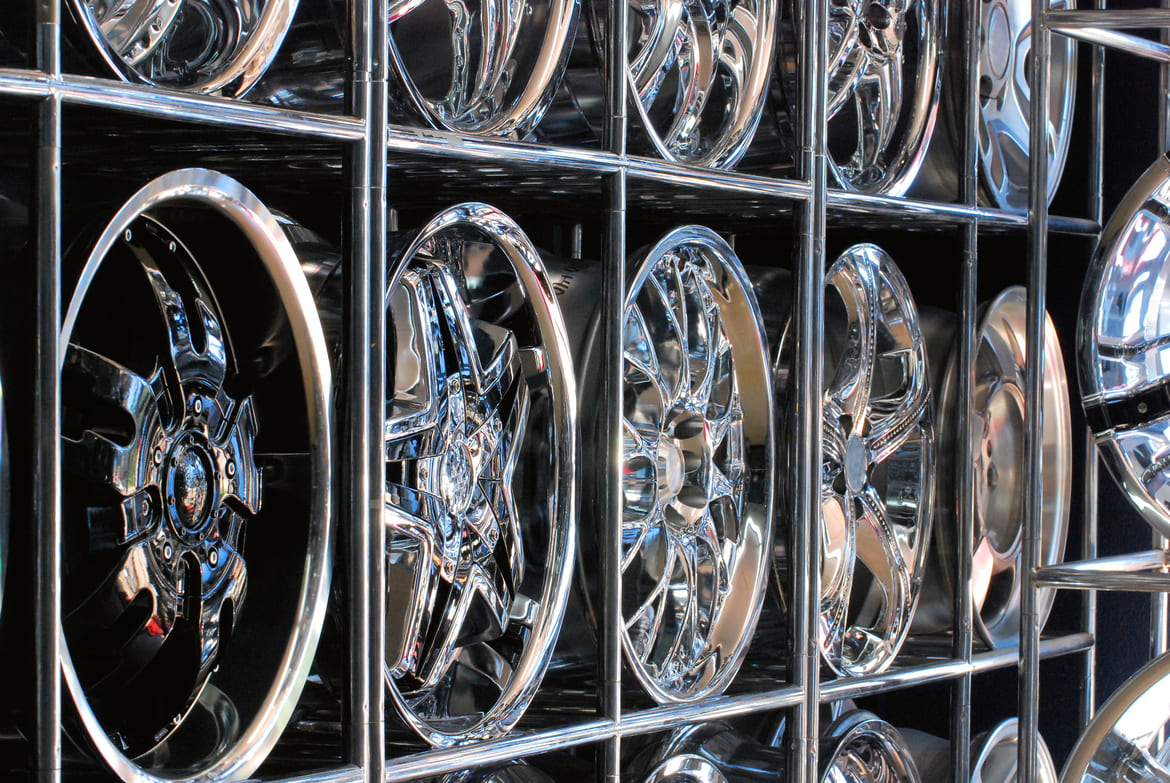
When it comes to upgrading or replacing your vehicle’s wheels, you’ve got more choices than ever. Whether you're looking for performance, style, durability, or cost savings, understanding the different types of wheels can help you make an informed and confident decision.
In this guide, we’ll cover:
The main types of wheels by material and construction
Their pros and cons
Where each type performs best
What Canadian drivers should consider (especially during winter)
Tips for choosing the right wheels for your car, truck, or SUV
Wheels vs. Rims: What’s the Difference?
Before diving in, let’s clear up a common misconception: Are wheels and rims the same thing?
The wheel refers to the entire metal structure that mounts the tyre—including the rim and the inner hub area.
When you're shopping for new tires or customizing your vehicle, you'll often hear the terms wheels and rims used interchangeably. But are they really the same thing? The short answer: no, and knowing the difference can save you money, help you make better buying decisions, and even keep you safer on the road.
In this guide, we’ll break down the key differences between wheels and rims, explain their roles in your vehicle’s performance, and help you understand what matters most when buying wheels or tires in Canada, especially with our extreme weather and road conditions.
What Is a Wheel?
The wheel is the entire circular component that connects your tire to your vehicle and enables movement. It consists of several parts:
Rim: The outer edge of the wheel that holds the tire in place.