

If you’ve ever shopped for new wheels or rims for your vehicle, you’ve probably come across the term wheel offset—and wondered what it really means. Whether you're upgrading for style, performance, or fitting new tires, understanding wheel offset is essential for safety, ride quality, and ensuring your wheels don’t rub against your fenders or suspension.
In this guide, we’ll explain:
- What wheel offset is (in plain language)
- The differences between positive, zero, and negative offset
- How offset affects your vehicle’s look and performance
- How to find the correct offset for your vehicle
- What happens if you get it wrong
- Tools and tips for choosing wheels with the right offset
- And how to shop confidently for wheels at TireSet.ca
Let’s dive in.
What Is Wheel Offset?
Wheel offset refers to the distance between the wheel’s hub mounting surface and its true centerline (the halfway point between the inside and outside edges of the wheel).
It’s measured in millimetres (mm) and helps determine how far in or out the wheel sits inside the fender well.
There are three main types of offset:
- Positive Offset – The hub mounting surface is toward the front (outside) of the wheel. This causes the wheel to tuck further inside the fender. Most modern vehicles, especially front-wheel-drive cars and newer trucks, come with positive offset wheels from the factory.
- Zero Offset – The mounting surface is perfectly centered in the wheel. This places the wheel’s inner and outer edges an equal distance from the hub.
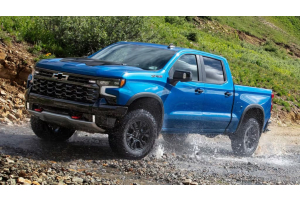
- Negative Offset – The hub mounting surface is toward the back (inside) of the wheel. This pushes the wheel further outward, creating a more aggressive or “deep dish” look. It’s often used in off-road vehicles or custom setups where a wider stance is desired.
Why Wheel Offset Matters
Wheel offset isn’t just about looks—it has a direct impact on your vehicle’s performance, safety, and alignment.
Here’s how incorrect offset can affect your ride:
- Suspension Interference – Too much positive offset can cause the inside of the wheel to rub against suspension components like struts or control arms.
- Fender Clearance Issues – Too much negative offset can cause the outer edge of the tire to stick out past the fender, potentially rubbing against the fender lip during turns or over bumps.
- Handling & Steering – Changes in offset affect your vehicle’s scrub radius (the point where the tire contacts the road relative to the steering axis), which can alter steering feel, turning radius, and cornering grip.
- Wheel Bearing Wear – Offset changes can increase stress on wheel bearings and suspension parts, especially when moving far away from factory specs.
- Legal & Safety Risks – In some provinces, wheels that extend past fenders may be illegal or unsafe in extreme weather or road conditions.
That’s why it’s always best to stay as close to the manufacturer’s recommended offset as possible—unless you’ve intentionally upgraded your suspension and fenders to accommodate a custom fit.
How to Find Your Vehicle’s Wheel Offset
There are four main ways to find your wheel offset:
1. Check Your Original Wheels
Most wheels have the offset stamped or cast into the back side of the wheel (often behind the spokes or inside the hub bore). You’ll see a marking like:
- ET35
- ET+40
- ET0
- ET-12
“ET” is short for “Einpresstiefe” (German for “insertion depth”) and the number indicates offset in millimetres.
For example:
- ET+40 means +40 mm offset = positive offset = mounting face is 40 mm toward the outer side of the wheel
- ET0 means zero offset
- ET-12 means –12 mm offset = mounting face is 12 mm toward the inside (pushing the wheel outward)
2. Consult Your Owner’s Manual or Vehicle Spec Sheet
Some manuals list wheel specifications including diameter, width, bolt pattern, and offset. This is especially useful if you’re looking for stock replacement wheels.
3. Use an Online Fitment Tool
At TireSet.ca, we offer a fitment search tool that can show you the correct bolt pattern, rim width, and offset range for your make and model. Just enter your year, make, and model to find compatible wheels.
4. Measure It Manually (If Needed)
If you have aftermarket wheels or lost your original set, you can measure offset manually by:
- Measuring the overall wheel width (in mm)
- Dividing by 2 to find the centerline
- Measuring from the hub mounting surface to the wheel’s inner edge
- Subtracting the mounting surface distance from the centerline to get the offset
This method is best left to professionals unless you’re experienced and have the right tools.
Common Offset Ranges by Vehicle Type
Here are rough guidelines, but remember—always double-check your specific vehicle's specs:
| Vehicle Type | Typical Offset Range |
|---|---|
| Passenger Cars (FWD) | +35 to +50 mm |
| Sports Cars | +30 to +40 mm |
| Pickup Trucks (Stock) | +10 to +30 mm |
| Off-Road/Lifted Trucks | –25 to +10 mm |
| SUVs / Crossovers | +30 to +45 mm |
| Older RWD Cars | 0 to +20 mm |
A shift of just 5–10 mm can significantly change how your wheels look and fit.
What Happens If You Choose the Wrong Offset?
Buying wheels with the wrong offset can lead to:
- Rubbing against struts or control arms
- Tires sticking out past fenders (illegal in some areas)
- Difficulty turning or poor handling
- Worn-out suspension and steering components over time
- An unstable or bumpy ride
It can also void warranties or cause safety inspection failures—especially if wheels extend too far outward.
At TireSet.ca, we always recommend that you stay within the approved offset range for your vehicle unless you’ve made performance modifications to account for the change.
Can You Use Wheel Spacers to Adjust Offset?
Yes—wheel spacers are metal rings that sit between the hub and the wheel to reduce positive offset (in effect pushing the wheel outward). They’re commonly used to:
- Create clearance from suspension components
- Give a more aggressive stance
- Adjust for brake upgrades or aftermarket wheels
For example, if your wheels have +45 mm offset but your car requires +35 mm, a 10 mm spacer can bring you into spec.
However, spacers must be high quality and properly installed to avoid vibration, safety issues, or premature component wear. When in doubt, always seek professional advice or opt for wheels with the correct built-in offset instead.
Wheel Offset vs Backspacing
Offset is often confused with backspacing. While they are related, they are not the same:
- Offset (mm): Distance from the wheel’s mounting face to its true centerline
- Backspacing (inches): Distance from the mounting face to the back lip of the wheel
Backspacing is more common in the off-road and 4x4 world, but offset is the more widely used measurement in Canada and for most passenger vehicles.
Tips for Choosing the Right Offset When Buying New Wheels
Here’s a quick checklist to help you avoid issues:
✅ Know your OEM offset – Use your stock wheels or manufacturer’s recommendations as a baseline
✅ Stick within ±5–10 mm unless you have made specific upgrades (suspension lift, widebody kit, etc.)
✅ Account for wheel width changes – If you go wider than stock, offset must adjust to keep proper clearance
✅ Consider tire size – Wider tires may rub even if the offset is correct
✅ Talk to a pro – If you’re unsure, our fitment experts at TireSet.ca are happy to help
Summary: Wheel Offset Explained Simply
- Wheel offset tells you how far in or out your wheels sit in the fender well.
- It’s measured in millimetres (ET) and comes in positive, zero, or negative.
- The correct offset helps avoid rubbing, handling issues, and suspension wear.
- You can find your offset on the wheel, in your manual, or through a fitment search.
- When buying new wheels, stay close to your vehicle’s stock specs unless you’ve made performance upgrades.
- Tools like spacers or backspacing charts can help—but always check with professionals first.
Find the Right Wheels at TireSet.ca
At TireSet.ca, we carry a wide range of wheels and tires that fit your vehicle perfectly—with exact offset and bolt pattern specifications. Whether you drive a compact sedan, lifted truck, luxury SUV, or performance car, our team can help you find the perfect fit for your style and your ride.
Use our Wheel Visualizer Tool to search by vehicle make and model.
Got questions? Our team is here to help. Contact us anytime and let us know your vehicle specs, and we’ll walk you through your best options.