

For Canadian drivers, winter brings more than just snow-covered roads and colder mornings; it also brings the critical task of switching from all-season or summer tires to winter tires. The timing of your winter tire changeover isn’t just about convenience, it can mean the difference between safe driving and dangerous conditions.
But here’s the big question: When exactly should you make the switch? The answer depends on where in Canada you live, the type of driving you do, and local laws. In this guide, we’ll break down the best times for winter tire changeover, regional differences, key safety factors, and how to save money while staying safe on the road.
Why Winter Tire Changeover Matters
Winter tires aren’t just “better” than all-season tires in the snow; they’re engineered for Canadian winters. Here’s why the timing matters:
- Rubber compound flexibility: Winter tires stay soft and grippy in cold temperatures, while all-seasons harden and lose traction below 7°C.
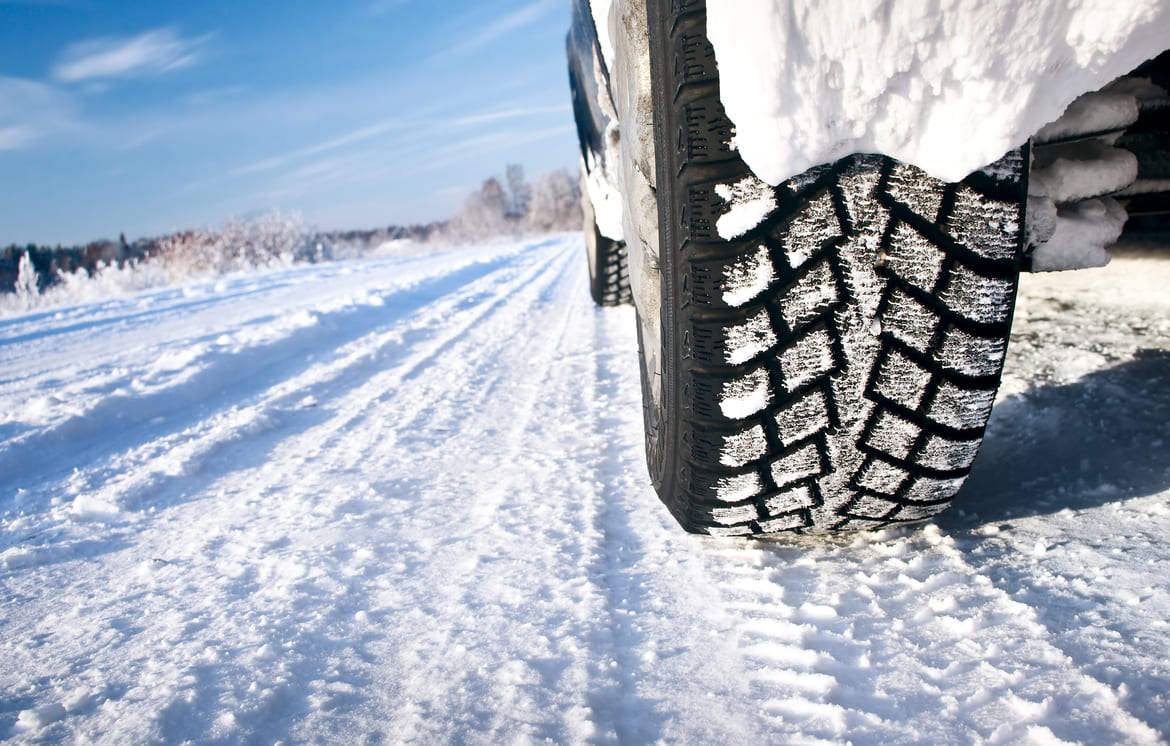
- Tread design: Winter tires feature deeper tread and unique patterns that push slush, snow, and water away for better road contact.
- Braking distance: Studies show winter tires can shorten braking distances by up to 30% compared to all-seasons in cold, icy conditions.
The bottom line? Switching at the right time maximizes your safety and extends the life of both your winter and non-winter tires.
The 7°C Rule: A Simple Guideline
Tire experts across Canada agree: once daily temperatures consistently fall below 7°C, it’s time to change over to winter tires.
At 7°C and lower, all-season tires lose flexibility, making them harder and less effective. Even if you don’t see snow yet, frost, black ice, and cold pavement can create dangerous conditions.
Regional Differences in Canada
Canada’s geography makes tire changeover timing highly regional. Let’s break it down:
Atlantic Canada (Nova Scotia, New Brunswick, PEI, Newfoundland & Labrador)
- Recommended changeover: Late October to early November.
- Why: The Atlantic region often sees early cold snaps and mixed precipitation. If you live inland or in northern New Brunswick or Newfoundland, you may need to change over even earlier.
Quebec
- Mandatory deadline: By law, all drivers must have winter tires installed from December 1 to March 15.
- ecommended changeover: Mid-November, or earlier if you live in northern areas.
Ontario
- Recommended changeover: Mid- to late November for Southern Ontario; late October to early November for Northern Ontario.
- Note: While not legally required province-wide, insurers often provide discounts for winter tires.
The Prairies (Manitoba, Saskatchewan)
- Recommended changeover: Late October to early November.
- Why: Prairie provinces see early snowfalls, high winds, and icy roads that make winter tires critical.
Alberta
- Recommended changeover: Mid- to late October, especially for drivers in Calgary, Edmonton, and northern regions.
- Why: Alberta’s rapid weather changes mean early snow is common—even in September.
British Columbia
- Legal requirement: Winter tires or chains are mandatory on certain highways from October 1 to April 30.
- Recommended changeover: Early October if you travel highways; mid- to late October if you’re in Metro Vancouver (where temperatures are milder but wet, icy conditions are frequent).
Northern Territories (Yukon, NWT, Nunavut)
- Recommended changeover: September to early October.
- Why: Early and long winters demand earlier preparation.
Key Signs It’s Time to Switch
Even if you’re unsure about the timing, here are signs you should book your winter tire changeover:
- You wake up to frost on your car in the morning.
- Daytime highs aren’t climbing past 7°C.
- Snow is in the forecast.
- You’re planning travel to areas that already have snow or ice.
How Waiting Too Long Can Cost You
Delaying your winter tire changeover can lead to:
- Safety risks: Longer braking distances and reduced handling on icy roads.
- Tire damage: Driving all-seasons in freezing conditions accelerates wear.
- Shop availability issues: Tire shops get overwhelmed once the first snowfall hits—booking early avoids long waits.
Saving Money on Winter Tires
Many drivers hesitate to buy winter tires because of the upfront cost. But here’s the truth:
- Using winter tires extends the life of your all-season tires, since each set is only used for part of the year.
- Many provinces (like Ontario) offer insurance discounts for winter tire use.
- At TireSet.ca, we offer $0 down financing with no initial hard credit checks so every Canadian driver can afford the safety and peace of mind of proper winter tires.
Winter Tire Storage Tips
To make the seasonal swap easier (and prolong the life of your tires):
- Store unused tires in a cool, dry place, away from direct sunlight.
- Keep them in tire bags or wrap them to reduce exposure to ozone and moisture.
- Stack tires horizontally if they’re unmounted; vertically if they’re mounted on rims.
All-Season vs. All-Weather vs. Winter Tires
A lot of Canadians wonder whether they can avoid the seasonal hassle altogether. Here’s a breakdown:
- All-Season Tires: Great for spring, summer, and early fall, but lose grip below 7°C.
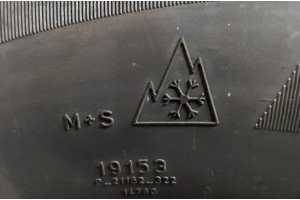
- All-Weather Tires: A hybrid option with the winter “mountain/snowflake” symbol. Good for mild winter regions, but still not as effective as true winter tires in heavy snow and ice.
- Winter Tires: Best for Canadian winters with snow, ice, and freezing temperatures.
For most Canadians outside of Metro Vancouver or southern coastal BC, winter tires are the safest choice.
Plan Ahead for Your Changeover
The smartest strategy is to book your tire changeover before the first snowstorm. Think of it like an oil change—you don’t wait until your engine breaks down, you plan ahead.
Most Canadians find late October to mid-November to be the sweet spot for making the switch.
Canada’s winters are unpredictable, but one thing is certain: switching to winter tires at the right time saves lives. Whether you’re driving in the snowy streets of Montreal, the icy highways of the Prairies, or the slushy roads of Vancouver, timing your tire changeover ensures your family’s safety and protects your investment.
Don’t wait until the first storm to make the switch. Plan ahead, book your appointment, and take advantage of TireSet.ca’s flexible financing to get the right tires today.