

A flat tire can ruin your day in seconds. Whether you’re commuting to work, hauling kids to school, or preparing for a weekend road trip, nothing brings plans to a screeching halt like the dreaded hiss of escaping air. But before you toss out your tire for a brand-new replacement, there may be another option: a patch plug repair.
Patch plug repairs can save you money, extend your tire’s life, and keep you safely on the road — when done properly. But they’re not always the right solution. In this guide, we’ll walk you through exactly when a patch plug repair is appropriate, when it isn’t, and what Canadian drivers should know before deciding.
What Is a Patch Plug Repair?
A patch plug is a combination repair method that addresses both the inside and outside of a punctured tire.
Here’s how it works:
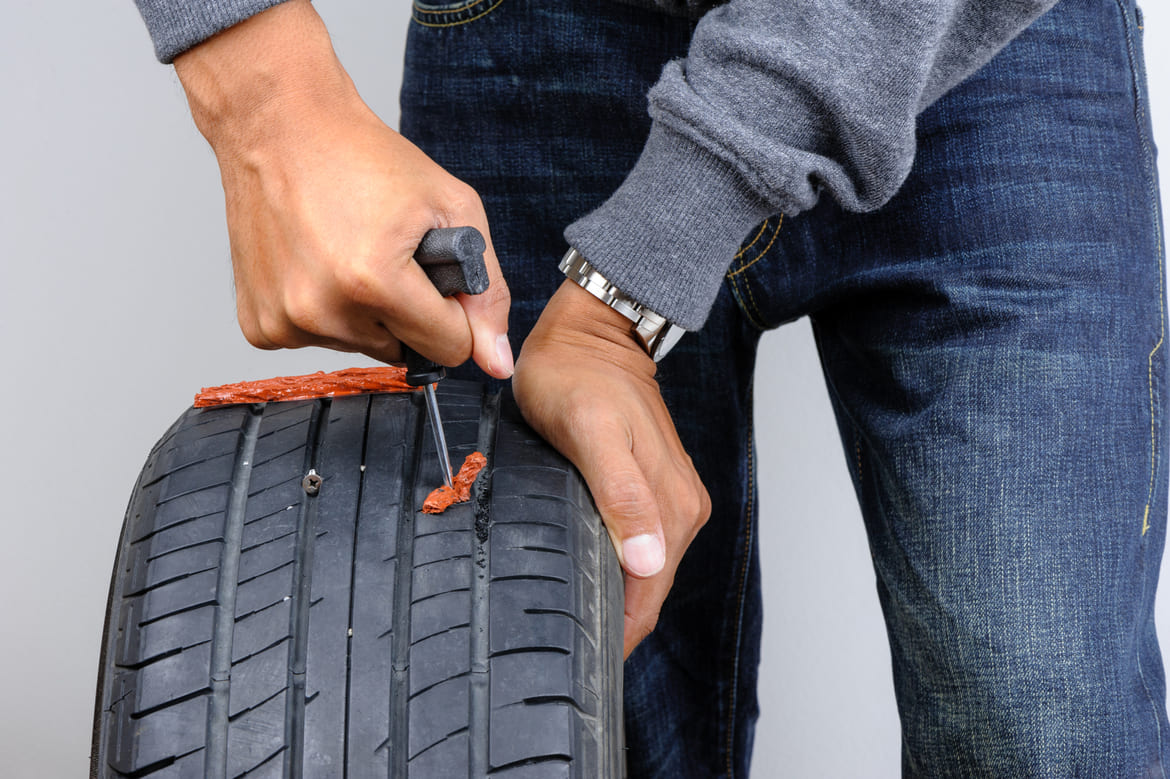
- A plug is inserted into the puncture channel to seal it from the outside.
- A patch is applied to the inside of the tire, covering the injured area and ensuring air doesn’t seep through the inner liner.
Together, these create a permanent, airtight seal that restores the tire’s integrity. This method is widely considered the safest and most effective way to repair a punctured tire when conditions are right.
When a Patch Plug Repair Is Safe and Effective
Not every tire injury qualifies for a repair. The location, size, and type of damage all matter. Here are the situations where a patch plug repair is appropriate:
1. Puncture Location: In the Tread Area
- Only holes located in the tread area (the part of the tire that makes contact with the road) are repairable.
- If the puncture is within the center 75% of the tread width, it may be a candidate for repair.
- Holes on or near the sidewall or shoulder are not repairable because these areas flex too much under driving stress.
2. Puncture Size: Less Than 6mm (1/4 Inch)
- Industry standards recommend repairs only for punctures smaller than 6mm.
- Larger holes compromise tire structure and may require a full replacement.
3. One or Two Small Punctures
- A single puncture in an otherwise healthy tire is usually repairable.
- Two punctures may also be repairable if they’re not too close together (generally at least 16 inches apart).
- Multiple or overlapping punctures weaken the tire and are unsafe to repair.
4. No Internal or Structural Damage
- Before patching, the tire should be removed from the rim and inspected inside.
- If cords, belts, or sidewall structures are damaged, repair is not safe.
5. No Pre-Existing Repairs Overlapping
- A new patch plug cannot overlap an old one.
- If the tire has already been repaired in that area, replacement is the safer choice.
When You Should NOT Patch Plug a Tire
Equally important is knowing when a patch plug repair is not recommended. Driving on an improperly repaired tire can lead to blowouts and serious accidents. Avoid patch plug repairs if:
- The puncture is on the sidewall or shoulder.
- The hole is larger than 6mm.
- The puncture is at an angle that prevents proper sealing.
- There is bulging, cracking, or exposed cords inside the tire.
- The tire is worn below 2/32” tread depth (time to replace anyway).
- There is internal damage from driving on it flat.
In these situations, replacement is the only safe option.
Why Patch Plug Repairs Are Better Than Just Plugs or Patches
You may have heard of simple tire plugs or single patches. While these methods are quick, they are not considered permanent or as reliable.
- Plugs alone: Only seal the hole from the outside. They don’t prevent air from leaking inside the tire structure.
- Patches alone: Cover the inside but don’t block the puncture channel, allowing moisture to sneak in and cause rust to steel belts.
A patch plug combines both — sealing the channel and reinforcing the liner. It’s the industry standard for safe, long-term repair.
How Long Will a Patch Plug Repair Last?
When done correctly by a professional, a patch plug repair can last the remaining life of the tire. Many drivers put tens of thousands of kilometers on repaired tires without issues.
However, keep in mind:
- Repairs should always be performed by a professional who removes the tire from the rim for inspection.
- DIY kits may work short-term but don’t guarantee long-term safety.
- Regular tire rotations and inspections help ensure the repair holds.
Patch Plug Repair vs. Tire Replacement: Cost Considerations
Cost often drives the decision to repair or replace. A patch plug repair in Canada typically costs $30–$60 per tire, depending on the shop. That’s far less than a new tire, especially for trucks and SUVs where replacements can run several hundred dollars each.
But repairs are only worthwhile if the tire still has plenty of tread life left. If your tires are near the end of their lifespan, investing in new tires may make more sense.
At TireSet.ca, we carry a wide range of new passenger, light truck, and motorcycle tires with $0 down, no initial hard credit check financing so you can replace them affordably when needed.
Driving on a Tire Before It’s Repaired
If you suspect a puncture, it’s important not to drive on it flat. Driving even a short distance without air pressure can cause irreversible internal damage to the sidewalls and belts, making repair impossible.
The best steps are:
- Safely pull over and check the tire.
- Install a spare if you have one.
- Drive directly to a tire shop for inspection and possible patch plug repair.
Seasonal Considerations in Canada
Canadian drivers face unique conditions that affect tire repair decisions.
- Winter Tires: If a puncture happens late in the season and your tread is already worn, it may be smarter to replace the pair or set rather than repair.
- All-Season Tires: If your puncture occurs in spring or summer with good tread left, a patch plug is usually worthwhile.
- Long Road Trips: If you’re preparing for a cross-country trip, consider the age and condition of your tires. A fresh set may be more reliable than relying on repaired tires.
Tire Safety Standards in Canada
According to the Rubber Association of Canada and Transport Canada guidelines, proper tire repair must include:
- Full tire dismounting and inspection.
- Cleaning and preparation of the injury channel.
- Application of a combination patch plug.
- Rebalancing of the tire before reinstallation.
Any shop that skips these steps is not following industry standards — and your safety could be compromised.
Can You Do a Patch Plug Repair Yourself?
DIY tire repair kits are popular, but most only provide temporary plugs. True patch plug repairs require:
- Removing the tire from the rim.
- Buffing and prepping the injury channel.
- Applying the combination unit with vulcanizing cement.
- Curing and sealing under proper conditions.
Without specialized tools and training, it’s very difficult to perform a professional-grade repair at home. For peace of mind, have repairs done at a reputable tire shop.
Patch Plug Repairs and Tire Warranties
If your tire is still under manufacturer warranty, improper repair methods could void coverage. Always check your warranty terms. Most major brands accept professional patch plug repairs as valid, but not external plugs.
Financing Repairs and Replacements
The decision to repair or replace often comes down to budget. At TireSet.ca, we understand that new tires can be a big expense, especially when it’s unexpected. That’s why we offer flexible tire financing options with no hard credit checks. You can get back on the road today with as little as $0–$49 out of pocket.
Key Takeaways
- Patch plug repairs are the safest, most effective method for fixing small punctures in the tread area.
- Repairs are appropriate for punctures under 6mm, in the center tread, with no internal damage.
- Sidewall punctures, large holes, or structural damage require full tire replacement.
- A professional patch plug repair can last the life of the tire if done correctly.
- Canadian drivers should factor in seasonal needs and tread life when deciding between repair and replacement.
Conclusion
A flat tire doesn’t always mean the end of your tire’s life. In many cases, a patch plug repair can restore your tire safely, affordably, and permanently. By understanding when repairs are appropriate — and when they’re not — you can make the best decision for your vehicle, your safety, and your wallet.
The next time you face a puncture, don’t panic. Get your tire inspected, and if it qualifies, a patch plug repair could get you rolling again in no time.