

When it comes to choosing the right tires for your passenger car, SUV, or light truck, most drivers look at size, brand, and price first. But there’s another set of details on the sidewall of your tires that can have a huge impact on your safety and performance: the traction and temperature ratings.
These ratings aren’t just technical jargon—they tell you how well your tires will grip the road, handle wet conditions, and resist overheating at highway speeds. In Canada, where drivers face a wide range of weather conditions, from icy winters in Alberta to scorching summer highways in Ontario, understanding these ratings is essential.
In this guide, we’ll break down what tire traction and temperature ratings mean, why they matter for both passenger and light truck tires, and how to make the best choice for your driving needs.
The Basics of Tire Ratings
Tires sold in North America are graded under the Uniform Tire Quality Grading (UTQG) system, developed by the U.S. Department of Transportation. While UTQG ratings aren’t mandatory in Canada, most tires available here carry these markings.
The UTQG covers three categories:
- Treadwear rating – How long the tire is expected to last.
- Traction rating – How well the tire grips wet pavement.
- Temperature rating – How well the tire resists heat buildup.
For Canadian drivers, traction and temperature ratings are particularly important because they directly affect safety in wet, icy, or hot conditions.
What Traction Ratings Mean
The Scale
Tire traction is graded as AA, A, B, or C, with AA being the best possible rating and C the minimum allowed for sale in North America.
- AA – Exceptional traction on wet roads.
- A – High traction performance, suitable for most passenger vehicles.
- B – Acceptable traction but may not perform as well in sudden stops or heavy rain.
- C – Lowest legal rating, generally not recommended for Canadian conditions.
Why It Matters in Canada
Canada’s diverse climate makes traction rating crucial. In British Columbia’s coastal regions, heavy rain and slick roads demand strong wet traction. In Ontario and Quebec, black ice and slush can make driving treacherous. And in the Prairie provinces, long stretches of highway driving in winter require dependable grip to prevent skidding or hydroplaning.
Even in summer, traction matters. Wet pavement after a thunderstorm can be as dangerous as an icy road. A higher traction rating helps reduce stopping distances and improves control in these conditions.
What Temperature Ratings Mean
The Scale
Temperature ratings measure how well a tire can dissipate heat at sustained high speeds. They are graded A, B, or C.
- A – Excellent resistance to heat, designed for higher-speed driving and heavier loads.
- B – Adequate heat resistance for normal driving conditions.
- C – Minimum standard, suitable only for lighter use.
Why It Matters in Canada
While Canadian winters get most of the attention, hot summers can be just as hard on tires. Heat is the enemy of rubber—excessive heat can cause tires to soften, wear faster, or even fail.
On long summer drives along the Trans-Canada Highway, particularly in provinces like Saskatchewan or Manitoba where distances are vast and speeds are steady, tires with a higher temperature rating are essential. For light trucks carrying loads or towing trailers, heat resistance is even more critical.
Passenger Tires: What to Look For
Passenger tires are designed for sedans, hatchbacks, and compact SUVs. Most quality passenger tires today carry at least an A traction rating and a B or A temperature rating.
Best Practices
- All-season tires: Look for at least an A traction rating. They should handle rain and light snow but may not be ideal for icy roads.
- Performance tires: Often carry AA traction ratings and A temperature ratings. Great for drivers who prioritize handling but may wear faster.
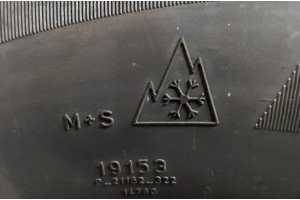
- Winter tires: While UTQG traction ratings don’t apply to snow and ice, you should look for the Three-Peak Mountain Snowflake (3PMSF) symbol instead, which certifies winter performance.
For most Canadian drivers, a balance of A/A (traction/temperature) is ideal for year-round safety.
Light Truck Tires: Special Considerations
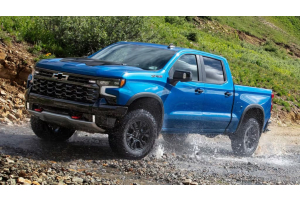
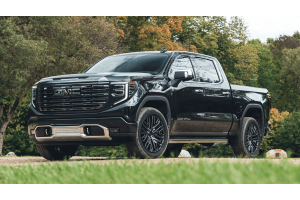
Light truck (LT) tires are built for pickups, vans, and SUVs that carry heavy loads or tow trailers. Because of the added stress these vehicles put on tires, temperature ratings are especially important.
Best Practices
- Highway tires (H/T): Designed for paved roads, often with A traction and A temperature ratings. Good for commuters and long-distance highway driving.
- All-terrain tires (A/T): Provide grip on gravel, dirt, and snow. Look for at least A traction and B temperature ratings.
- Mud-terrain tires (M/T): Built for off-road use. May have lower UTQG ratings but are reinforced for durability. Choose carefully if you do a lot of highway driving.
For light trucks in Canada, especially those used for work or towing, an A temperature rating is non-negotiable.
How to Read the Sidewall
When you look at your tire, you’ll see a mix of letters and numbers. Here’s an example: P225/60R16 95H A A
- P – Passenger tire.
- 225/60R16 – Tire size.
- 95H – Load index and speed rating.
- A A – Traction and temperature ratings.
This makes it simple to compare different tires when shopping.
Tire Ratings vs. Real-World Performance
While UTQG ratings are helpful, they’re not the whole story. A tire with an A traction rating may still perform differently depending on tread design, rubber compound, and whether it’s meant for summer or winter use.
For example:
- Summer tires may have excellent traction in warm, wet conditions but perform poorly in snow.
- Winter tires might not carry high UTQG traction grades but will outperform any all-season tire in freezing weather.
That’s why Canadian drivers often need two sets of tires: one for summer and one for winter.
The Role of Tire Pressure
Even the best traction and temperature ratings won’t help if your tires aren’t properly inflated. Underinflated tires generate more heat, wear unevenly, and reduce fuel efficiency. Overinflated tires, on the other hand, reduce grip and increase stopping distances.
Make it a habit to check your tire pressure monthly, and especially before long road trips.
Financing Safe Tires in Canada
At TireSet.ca, we know that replacing your tires isn’t always in the budget. That’s why we offer flexible financing options with iFinance and lease-to-own plans that don’t require a hard credit check. Whether you need passenger tires for your daily commute or LT tires for your truck, we make it affordable to choose tires with the right traction and temperature ratings for your safety.
Quick Tips for Choosing Tires in Canada
- Check the ratings – Aim for A or higher in both traction and temperature.
- Consider the climate – Wet coastal areas? Go for higher traction. Long hot summers? Make sure you have an A temperature rating.
- Match your vehicle – Passenger tires for cars, LT tires for trucks. Don’t mix them.
- Rotate and maintain – Ratings only hold if your tires are in good condition. Rotate every 8,000–10,000 km.
- Don’t skimp on winter tires – UTQG doesn’t measure ice traction. Look for the 3PMSF logo.
Final Thoughts
Tire traction and temperature ratings may seem like small letters on the side of your tires, but they’re actually vital indicators of safety and performance. In a country like Canada, where you might drive through heavy rain, blazing heat, or icy roads all in one year, making sure your tires are up to the task is one of the smartest decisions you can make.
At TireSet.ca, we stock a wide range of passenger and light truck tires with clear traction and temperature ratings, so you can shop with confidence. And with our flexible financing options, upgrading to safer tires doesn’t have to wait until payday.
Drive smart, stay safe, and let your tires carry you confidently—no matter what the Canadian climate throws at you.