

Most drivers focus on tread depth when deciding whether it is time for new tires. While tread is important, tire age is often just as critical for safety. A tire may look fine on the outside, but the rubber can become harder and weaker over time due to natural aging. This affects grip, ride quality, braking performance, and can lead to tire failure if ignored.
Understanding how to check tire age and knowing when a tire is too old to be safely used can help you avoid accidents, reduce repair costs, and keep your vehicle driving smoothly. This guide explains everything you need to know about tire aging, how to read tire manufacturing dates, how climate affects tire lifespan, and when it is time to replace an old set.
Why Tire Age Matters
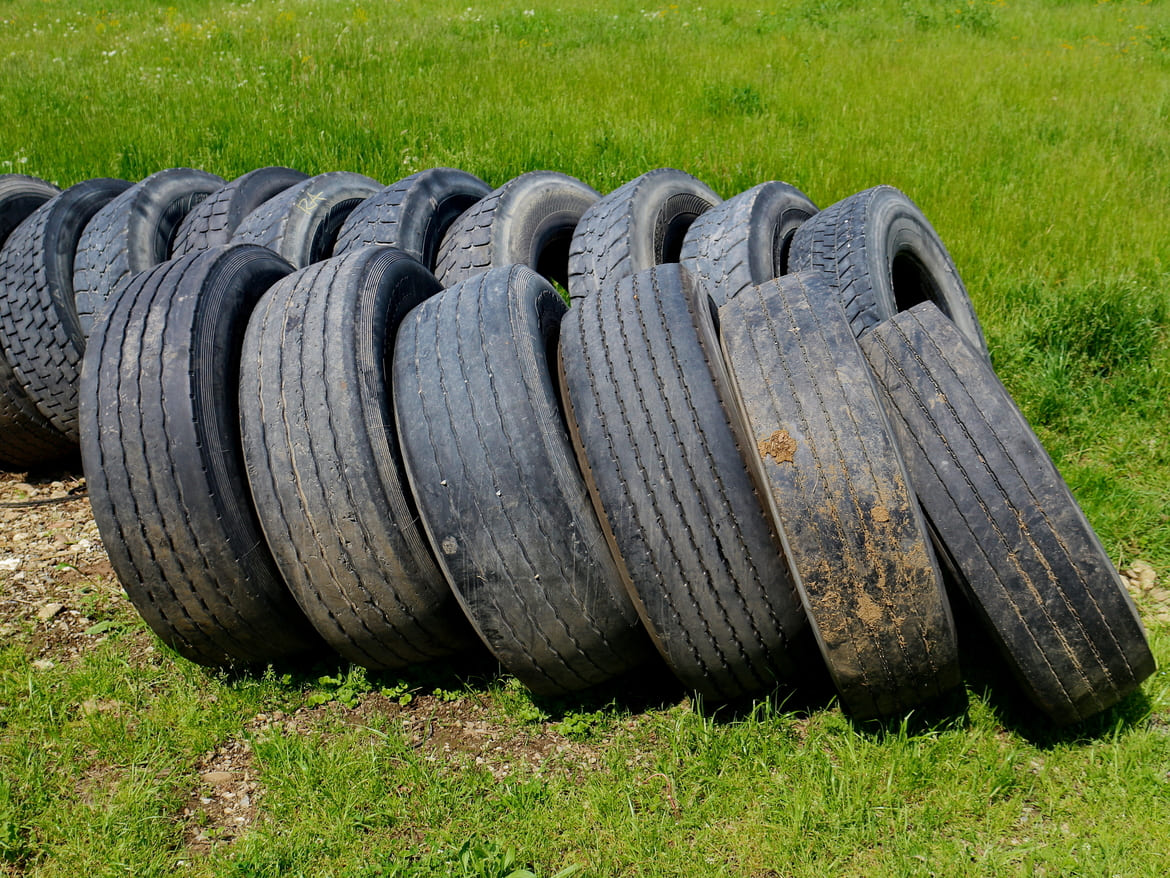
Tires are made from rubber compounds designed to be flexible, strong, and able to withstand constant stress. However, rubber starts to degrade naturally from the moment a tire is made. Exposure to sunlight, heat, road salt, oxygen, and moisture gradually breaks down the rubber. Even if tires are rarely driven on, they continue to age.
Old tires have:
- Reduced flexibility
- Brittleness in the sidewalls
- Weaker internal structure
- Longer stopping distances
- Higher risk of cracking and blowouts
This means age affects safety just as much as tread depth. A tire with deep tread can still be dangerous if it is old enough.
How to Find the Age of Your Tires
Every tire has a DOT code stamped into the sidewall. This code provides information about the tire’s manufacturer and date of production. The date is listed in the last four digits of the DOT code.
Example DOT Code:
DOT 1A4C 3321
The last four digits tell the age:
- 33 = The week of the year
- 21 = The year
So this tire was made in the 33rd week of 2021.
If your tire has a 3-digit date, it means the tire was made before the year 2000 and is long past safe use.
How to Check Your Tires:
- Look at the sidewall of the tire.
- Find the letters DOT.
- Look at the last four digits.
- Decode the week and year of manufacture.
If the number is faded or on the inside sidewall, you may need to turn the tire or use a flashlight.
How Long Do Tires Typically Last?
Most tires have a lifespan of about 5 to 6 years, even if they still have tread remaining. However, lifespan is heavily influenced by:
| Condition | Effect on Tire Life |
|---|---|
| Climate | Hot climates age tires faster than cold ones. |
| Storage conditions | Tires stored in the sun degrade faster. |
| Driving habits | Hard braking, high speeds, and heavy loads increase wear. |
| Maintenance | Alignment and rotation schedules impact longevity. |
| Road type | Rough roads age tires faster than smooth highways. |
Even with perfect care, tires that reach 10 years old should almost always be replaced, regardless of appearance or tread depth.
How Climate in Canada Affects Tire Aging
Canada’s climate creates unique challenges for tires. The combination of cold winters, summer heat, and salted winter roads affects tire aging in specific ways.
Cold Weather
Cold temperatures stiffen rubber, causing:
- Temporary hardening
- Reduced traction
- Increased cracking risk over time
Summer Heat
Heat accelerates oxidation and dry rot, making rubber brittle quicker.
Road Salt and Moisture
Salt can break down protective coatings, especially on the tire bead and sidewalls.
Because of this, tire aging in Canada may not follow the same timeline as in warmer regions. Seasonal tire changeovers and safe storage practices are essential.
Signs Your Tires Are Aging Even if Tread Looks Good Look for these physical aging signs:
1. Cracks in the Sidewall
Small hairline cracks indicate the rubber is drying out.
2. Bulges or Bubbles
This means internal structure has weakened and the tire should be replaced immediately.
3. Uneven Surface or Texture Changes
Fading rubber or rough patches are aging symptoms.
4. Vibration While Driving
This can mean internal belts are separating.
5. Loss of Air Pressure
If you are regularly adding air, the tire may no longer be sealing properly due to age.
If you notice any of these signs, the tire is no longer safe to drive on even if tread remains.
How to Properly Store Tires to Slow Aging
If you use winter and summer tires, proper off-season storage helps extend lifespan.
Storage Tips:
- Store in a cool, dry place
- Keep tires out of direct sunlight
- Avoid areas with high heat like near a furnace or water heater
- Store upright if possible, not stacked long-term
- Use tire storage bags or covers to reduce oxygen exposure
The better your storage environment, the longer your tires will last.
Do Unused or Low-Mileage Tires Age Slower?
Not really. Tires age even when they are not being used. A tire sitting in storage for three years is already three years old. The rubber still reacts to oxygen and the protective oils inside the tire gradually move outward, reducing flexibility over time.
This is why:
- A “brand new” tire that has been sitting in a warehouse for 4 years may not perform like it was manufactured yesterday.
- Buying tires from a trusted seller matters because inventory rotation ensures fresher stock.
When Should You Replace Tires Based on Age?
General Age Replacement Guidelines:
| Age | Recommendation |
|---|---|
| Under 4 years | Safe under most conditions |
| 5 to 6 years | Inspect annually for aging signs |
| Over 6 years | Replace soon for maximum safety |
| 10 years or older | Replace immediately regardless of condition |
If your tire is between 5 and 6 years old, get it inspected at every seasonal changeover.
Can You Drive on Old Tires?
Driving on an old tire increases the risk of:
- Blowouts on the highway
- Poor traction in rain, snow, and ice
- Longer braking distances
- Steering instability
While many drivers do drive on older tires without immediate issues, the risk increases each year after year five. It is not worth the safety gamble.
Cost vs. Safety: Why Replacing Aged Tires Is Worth It
Replacing aged tires may feel expensive, but the cost of:
- A collision
- Sudden tire failure on the highway
- Damage to your suspension or wheels
is significantly higher than the cost of a new set of tires.
Proper tire replacement is an investment in vehicle safety and peace of mind.
Need New Tires? TireSet.ca Makes It Easy for Canadians
If your tires are aging or showing signs of dry rot, cracking, or loss of performance, TireSet.ca is here to help.
We offer:
- New passenger, SUV, light truck, and commercial tires
- Fast, affordable shipping across Canada
- Flexible payment plans using Affirm at checkout
Pay over time with no hassle and no hidden fees - Options for every budget and driving style
Whether you are replacing aging all-season tires, upgrading winter tires, or outfitting a work vehicle, we make the process simple and fast.
Ready to Replace Old Tires?
Visit TireSet.ca to browse top brands and find the best tires for your vehicle. If you are unsure which size fits your vehicle, we will help you confirm before you order.
Stay safe and drive with confidence with fresh, reliable tires that are ready for Canadian roads.