

When it comes to vehicle maintenance, torquing your wheel lug nuts correctly is one of the most overlooked but most important safety steps every driver should know. Whether you are changing between winter and all-season tires, rotating your tires at home, or reinstalling wheels after a brake job, understanding proper torque ensures your wheels stay securely attached and your vehicle drives smoothly.
Driving in Canada often means frequent tire changes due to seasonal weather shifts, so Canadian drivers especially benefit from learning how to torque wheels the right way. Doing it correctly can prevent warped brake rotors, damaged wheels, loose wheels, and even dangerous wheel separation on the road.
This guide explains what torque specs are, why they matter, how to find the right specs for your vehicle, and exactly how to torque your wheels safely at home.
What Are Lug Nut Torque Specs?
Lug nut torque specifications indicate how tight the lug nuts (or wheel bolts) on your vehicle should be. Instead of tightening by “feel” or with a regular wrench, torque specs are measured in foot-pounds (ft-lb) or Newton metres (Nm). The goal is to ensure each lug nut is tightened to equal tension.
Too tight, and you risk:
- Damaging the studs
- Stripping threads
- Warping brake rotors
- Making roadside tire changes nearly impossible
Too loose, and you risk:
- Vibrations while driving
- Uneven stress on wheel studs
- Lug nuts backing off while driving
- Wheel separation, a serious and potentially fatal failure
Proper torque ensures your wheel is safely secured and able to handle the stress of real-world driving.
Why Proper Torque is Especially Important in Canada
Canada’s temperature extremes create unique challenges:
- Frequent seasonal tire changes
Most drivers swap between winter tires and all-season/summer tires twice per year. Each tire change means wheels come off and go back on. - Metal expands and contracts in temperature shifts
When temperatures drop, metal contracts. If your lug nuts were not torqued properly, this may cause them to loosen. - Road salt and corrosion
Corrosion can weaken studs or cause lug nuts to seize, making proper torque even more essential. - Rough roads and potholes
Impacts put extra stress on the wheels and studs. Proper torque helps prevent failure.
For these reasons, torque safety isn’t just a good idea in Canada—it’s necessary.
How to Find the Correct Torque Spec for Your Vehicle
Torque specs vary depending on:
- Vehicle make and model
- Wheel type (steel vs aluminum)
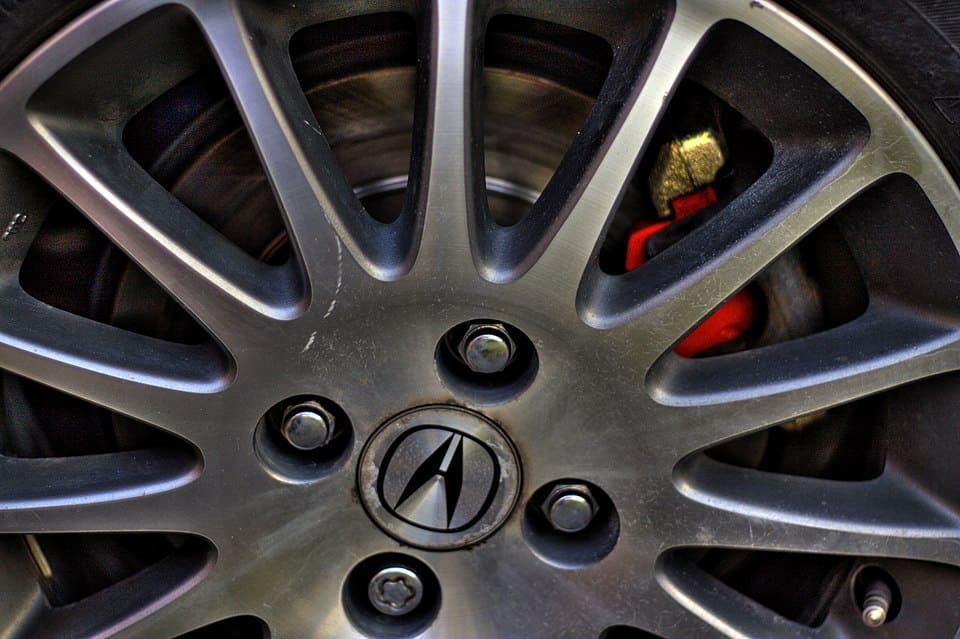
- Lug nut style (tapered, mag-seat, ball-seat)
- Thread size and stud strength
You can find your torque spec:
- In your owner’s manual
- On the manufacturer’s website
- Sometimes printed in door jamb stickers
- From a reliable automotive reference chart
- By contacting a dealership or tire shop
Most passenger vehicles fall between 80 and 120 ft-lb, but never assume. Using the correct number matters.
Tools You Need to Properly Torque Wheels
To torque your lug nuts correctly, you will need:
| Tool | Purpose |
|---|---|
| Torque wrench | Measures tightening force accurately |
| Breaker bar | Helps remove old or stuck lug nuts |
| Socket set | Must match your lug nut size |
| Wire brush (optional) | Cleans rust or debris from wheel hub |
| Jack + jack stands | Safely lift and support the vehicle |
Never rely on the scissor jack alone that comes with your car. Always use jack stands for safety.
Step-by-Step: How to Torque Your Lug Nuts Correctly
Follow this process any time you install wheels:
1. Clean the wheel hub and studs
Remove rust or dirt so the wheel seats evenly.
2. Hand-thread lug nuts
Never start threads with a wrench. Hand start them to avoid cross-threading.
3. Snug the lug nuts in a star pattern
Use a socket wrench to lightly snug the nuts in a criss-cross (star) pattern so the wheel seats evenly.
4. Lower the vehicle just enough so the wheel touches the ground
The wheel should not spin, but the vehicle should not be fully sitting on it yet.
5. Use the torque wrench
Set it to the exact torque spec for your vehicle.
6. Tighten in the star pattern
Apply steady, even pressure until the wrench clicks.
7. Re-torque after driving 50–100 km
This is especially important after seasonal tire changes, new wheels, or wheel service.
Why the Star Pattern Matters
Tightening lug nuts in a circular order can cause the wheel to sit unevenly, leading to vibration and uneven pressure on the studs and brake rotor.
The star pattern ensures:
- Even pressure distribution
- Proper wheel centering
- Brake rotor protection
It is a simple but essential step.
Common Mistakes to Avoid
| Mistake | Why It’s a Problem |
|---|---|
| Using an impact gun for final tightening | Can severely over-torque lug nuts |
| Not re-torquing after a tire change | Lug nuts may loosen during driving |
| Using oil or anti-seize on threads | Leads to over-tightening and thread failure |
| Tightening by feel | Never accurate |
Impact guns are excellent for removing lug nuts, but not for finishing the job.
How Often Should You Check Lug Nut Torque?
- After any tire service: re-torque after driving 50–100 km
- After hitting a pothole or curb
- During seasonal tire rotations
- Before long road trips
Regular checks take seconds and can prevent major problems. Proper lug nut torque is a small detail with big safety consequences, especially in Canada where seasonal tire changes and rough weather are common. With the right tools, the correct torque specification, and careful technique, you can confidently install your wheels and protect your vehicle, your passengers, and your peace of mind.